4 minutes ago
World in competition: Who will produce the first grain against Ovidius?
Periskopi(5 years ago)
(5 years ago)Early in 2020, as a deadly new coronary began spreading worldwide, the Pfizer Inc pharmaceutical company founded a team of elite scientists and chemists to identify ways to treat COVID-19. The pharmaceutical giant from the United States, who began exploring the development of a vaccine, also wanted [...]
The pharmaceutical giant from the United States, who began exploring the development of a vaccine, also wanted to produce a pill that would prevent the infection from spreading, just as the Tamiflu drug is used to combat the common flu. The team did research to find useless molecular components that would help launch the process, and very soon identified a promising candidate, Reuters writes.
More than a year later, Pfizer has not yet begun large-scale evidence for oral treatment of COVID-19, but says he hopes such evidence will begin in July.
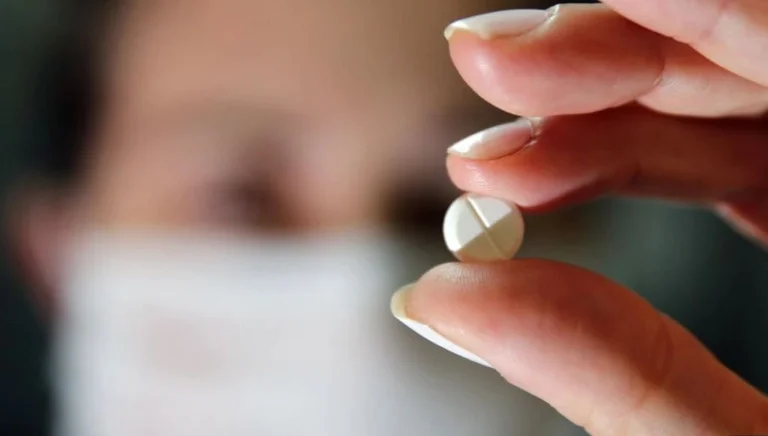
Pfizer and his rivals, including the US headquarters company Merck & Co Inc and Swiss pharmaceutical company, Roche Holding AG, in a race to produce the first antiviral pill that people can get once they have the first signs of the disease. These companies share a goal: to fill a hole in the treatment of COVID-19, helping people who have recently been infected with coronarys not to be seriously ill and seek spiritualization.
But after almost 18 months of pandemic, there is still no easy - management treatment, which has proved to be effective toward COVID-19, the disease that causes the coronavirus. This is also true of the fact that a number of effective vaccines were developed against COVID-19, including the vaccine Pfizer developed with German partner BioNTech, who received US permission for use last December.
Pfizer's experience is evidence of the challenges pharmaceutical companies face in developing oral treatments for the virus. Unlike the vaccine, which should only stimulate the body's immune system, an effective antivirus pill must block the distribution of the virus throughout the body and at the same time, be selective enough to avoid interference in healthy cells.
Aerial testing is also difficult, company officials say. A drug should be taken in the initial phase of infection, meaning that for large-scale evidence, people should be found who have recently been infected with COVID-19. Many who are infected with coronarys manifest only mild symptoms, but studies should prove that the pill has an important impact on a patient's health.
Pfizer Chief Executive Albert Bourla said the company will seek emergency authorisation in the US for using COVID-19 pill, the most distant by the end of this year.
For now, we have good reason to believe that we can be successful”, Bourla said last week, as he spoke through video connection at an economic forum held in Greece.
Pfizer and his rivals say the process of developing the pill is faster, since it took years ago to produce a pill.
Merck and Roche companies have recently launched large-scale testing of people and have also said their pills will be ready for use later this year. Merck is developing the drug in co-operation with the Ridgeback Biotherapathics LP and Roche are working together with Aina Pharmacets Inc.
Governments around the world have given billions of dollars to develop vaccines, but Pfizer, Merck and Roche say they have not accepted government funds to develop the pills against COVID-19.
Search for new Tamiflu”
As the rate of coronary infection in some countries has dropped, some countries are facing rapid spread of the virus. Moreover, many countries are facing a lack of vaccine supplies, and according to the trend, most of the world's citizens will not be vaccinated for several years. Many people, however, are determined to receive vaccines.
Scientists predict that COVID-19 has killed over 3.5 million people worldwide can develop into seasonal diseases, just like the seasonal flu.
We need a drug that will keep people out of hospitals”, says Dr. Rajesh Gandhi, professor and infectious disease specialist at Harvard Medical School.
Doctors have tried a number of existing pills to treat COVID-19, but none of them have shown success during rigorous clinical trials.
Currently, the only method indicating that it is helping patients with COVIDD-19 to avoid hospital surgery is antibodies, which require intravenous infusion. But this kind of treatment doesn't work so well on the variants of the coronary.
Pifzer and his rivals say antiviral candidates, who are taken up as a pill, may be effective towards a wider spectrum of coronary variants, but companies have not released the data on these claims.
For patients who are only hospitals due to COVID-19, treatment includes steroids or anti-inflammatory drugs to manage infection symptoms. But these drugs do not directly attack the virus. The only drug that has been adopted in the US for treating COVID-19 is Remdesiviri, produced by Gilead Sciences Inc. This drug is intravenous and used only for hospitalized patients.
The Gilad company is currently testing to take over even through some form of inhalation and looking for other components that could be effective agents.
“We are all looking for the new Tamiflu”, said Gilead's Health Chief Merdad Parsey.
Tamiflu is recommended for people with seasonal flu symptoms no more than two days, and this drug has shown that it shortens the duration of flu symptoms.
The head of chemistry.
Pfizer scientists and chemists launched a search for antivirus treatment last January. Soon they focused on a component they had discovered in 2003, when the company was doing research regarding the SARS pandemic, says Charlotte Allerton, who heads the Pfizer drug design department.
This component belongs to a class known as a stem agent designed to block a key enzyme, or protein, which is essential for the coronary to be able to multiply. Similar drugs are used to treat other viral infections like HIV or Hepatitis C, combining them with other antivirals.
However, Pfizer scientists faced a challenge. lab tests showed that the drug was active against the new coronary, known by scientific appointment SARS-CoV-2, but the concentration of the drug components was not strong enough to fight the virus in the human body, Allerton said.
Pfizer continued working with an active component of that component to create a drug that could be provided intravenously. But, antivirals are most effective if the disease is in its first stages and to combat the disease, it is not a “that is easy to do through an intravenous drug that is intravenously administered”, Allerton said.
In March 2020, Pfizer scientists also began designing a compound that is absorbed through the stomach and is taken as a pill, and according to Allteron, scientists finalised the design of this pill in July.
The discovery of a controlling agent, who could be taken into the form of a pill, “at least was like a masterpiece of chemistry”, said Pfizer's leading scientific official, Michael Dolsten.
Development of antivirals is more complex than vaccines because they have to target the virus, which is only in the human body by replicating in its cells, but without damaging healthy cells. Vaccines Against COVIED-19 is usually taught by the human immune system to recognize and attack a section of the protein that is specific to the coronary.
A Dragon Against COVID-19 would probably have to be taken over by patients for just a few days, but pharmaceutical companies had to work slowly on producing this pill so that it would be safe.
Merck and Roche pills, unlike Pfizer, use other mechanisms to prevent the virus from multiplying. But all companies have same challenges when it comes to testing.
One of them is to make sure that patients get their pill soon after they are infected with coronary.
The “all lies in treating the disease at its earliest stage, when the virus is expanding”, Dolsten of the Pfizer company said. And with high levels of vaccine in some areas, clinical test for pill must be done in several countries where COVID-19 is continuing to spread rapidly.
In March of this year, Pfizer launched the first human phase test for her experimental pill for COVID-19, known as PF-073232323. Last autumn, the company also carried out another test of the intravenous drug prescribed.
Dolsten declined to comment on how the last phase of the evidence, of these two drugs, will take place.
Merck's antiviral medicine, called Molnupiravir, has recently faced a challenge. The company said last month it would not use this pill on patients who are hospitalised. But this company said it would develop the evidence of the last phase, which would include a small number of patients who are not hospitized, especially will include those who have had symptoms of COVID-19 no more than five days, and that participants in this evidence should have at least one risk factor from serious diseases, such as advanced age, overweight or diabetes.
The Merck company said there will be accurate data from these evidence, in September or October.
Meanwhile, Roche and Atea companies have also limited the number of participants in the latest phase of their evidence. Their pill, called AT-527, will be tested on patients with symptoms for at least five days. Aina said the results of these evidence are expected to come up by the end of this year.