10 hours ago
From kidneys to bones, 20 of the most unbearable pains that can be experienced
Periskopi(5 years ago)
(5 years ago)According to the National Health Service (NHS), there are 20 health conditions consisting of <x1 possible such limiting movement conditions as could prevent daily tasks, including already known pain, such as bone breaking and kidney stones, to less known ones, but [...]
Pain is a delicate subject, usually considered subjective and depending on the intensity of pain in each individual separately.
However, since the pain of carving a tattoo or that of the birth process may be questionable, there are certain health conditions or diseases that are undoubtedly torturous.
According to the National Health Service (NHS), there are 20 health conditions that consist of <x1 possible such limiting movements” that can prevent daily work, and that include already known pain, such as bone breaking and kidney stones, as well as less known ones, but that also cause agony, such as gout or trigeminal nebula.
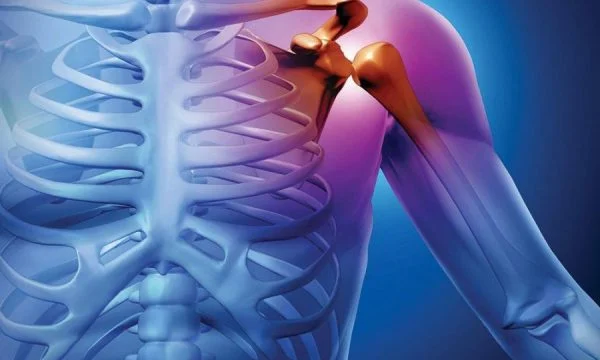
The National Health Service (NHS) also considers the frozen “pentulus” as one of the worst pains, being a state of health in which the pain is so rigid that it makes it impossible to lift the arm upward. This situation may last for several years unless it is treated.
Endometriosis, a debilitating gynaecological state where the cells in the womb are found elsewhere in the body, is also part of the list.
This disease, which is thought to affect one in 10 women worldwide, takes approximately 7.5 years to be diagnosed, during which time women may suffer constant hip pain, menstrual cycle, and sexual intercourse.
Also, among the list of diseases compiled by the NHS, which may cause the most severe pains are arthritis, appendix, and migraine. The full list, without any ranking, is as follows: Herpes, headaches, “cdents frozen”, bone breaking, complex syndrome of regional pain (CRPS), heart attack, gas cell disease, artritisi, migraine, Shiracy nerve, kidney stones, apendics, trigeminal neuragia, acretitis, cerma, endometriosis, stomach ulcer, fibromy, and surgery.
For these diseases, physician Gray LeRoy, family medicine expert at Dayton, Ohio, in the United States, has told the daily “The Independent” that “all of these are state of currency that we usually see in healthcare”.
However, according to LeRoy, there are two other diseases that may be part of the list.
“Backaches, the most common thing we see in primary care practices, and toothache”.
The chronic lower back pain affects 80 percent of the population at one point in their lives because as homo sapiens that we are, we bend, we bend, lift and push and end up having muscular back pain”, LeRoy said.
Toothaches, which are usually ignored, can be extremely tormenting, specified LeRoy.
And we usually look at things over the head from now on, it's something very common”, he added.
LeRoy has made it known that he was constantly aware of oral pain syndrome, since some patients had complained about oral pain, jaw or ear, which was actually found to be the result of tooth problems.
What needs to be done in situations, when pain “defines people's ability to function in society”, or when “prevents them from working, sleeping or eating”, LeRoy recommends that medical assistance be sought, as there may be other consequences.
And for the pain associated with heart attacks, with the most severe headache, kidney stones, acute panchreat, or appendix, LeRoy recommends that emergency medical attention be sought, as these types of pain can potentially be life threatening.