14 hours ago
How to distinguish healthy, unhealthy seeds from fruits
Periskopi(5 years ago)
(5 years ago)Here you will learn about occasions when the skins and seeds of fruit are valuable and when they are harmful. The dilemma in preparing a healthy fruit fluid is involved in whether their skins or not. The answer to this dilemma is that the inclusion of seeds and skin is [...]
The dilemma in preparing a healthy fruit fluid is involved in whether their skins or not.
The answer to this dilemma is that the inclusion of seeds and skin is all depending on the fruit.
Nowadays, with the use of many pesticides and chemicals in fruit growth, their skin consumption causes problems.
Here you will learn about occasions when the skins and seeds of fruit are valuable and when they are harmful.
Apple
Apple's skin is an excellent source of vitamin C and A.
The skin contains fiber and antioxidants, but seeds on the other side cause stomach pain at best.
The seeds are poisonous, and if consumed in large quantities they can cause headaches, dizziness, anxiety, and vomiting.
Grape
The grape skin contains solid substances that prevent the appearance of cancer and heart disease.
These substances, along with vitamin, are also found in grapes.
Even the latter have preventative cancer skills, heart problems, and disorders caused by oxidizing stress.
Bayjams
Bayames are often considered poisonous seeds.
Experts are recommended that prior to consumption, bitter almonds must be processed to lose poisons.
Bayames must undergo certain heat to remove any trace of poison and bacteria.
Cays
Apricot skin is an excellent source of vitamin C and beta carotene.
Their seeds, on the other hand, are not recommended for consumption.
Governments
The cherry seeds are very poisonous and are not recommended for consumption.
The queens come from the same families as almonds, apricots, pears, and peaches.
Peaches
The peach skin is rich in nutrients and vitamin A and C.
It contains antioxidants and fights inflammation/
Its core, on the other hand, is poisonous and untainted.
Dinner
The next skin contains many phytors, vitamin C, and antioxidants.
Her seeds are toxic.
Tweed
The plum skin contains many beta carrots, fiber, vitamins C, C, and A.
The plum core is toxic and should be avoided.
Yellow and Green Lemon
The skin of these citrus has five times the vitamins.
It contains fiber, vitamin C, and calcium.
The skin contains biofllavonoids that repair the damage caused by oxidizing stress.
The seeds are rich in vitamin C, B6, and fiber.
They can be transformed into dust and safe for consumption.
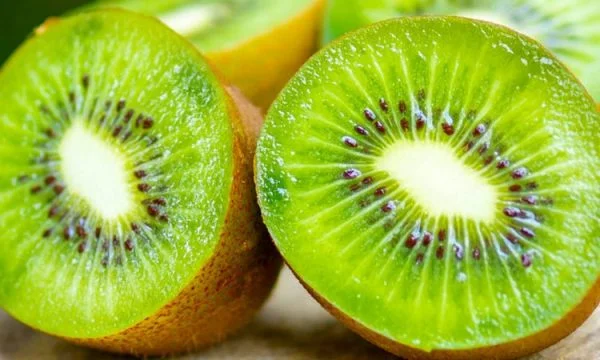
Kiev
Kivi's skin contains a oil rich in Omega-3 fatty acids that are good for heart and metabolism.
The kivi skin is edible and contains many fibers.
The seeds are also edible and rich in vitamin E and fatty acids.
Bananiya
The banana skin is edible and rich in fiber.
The taste on the other hand is not so good.
Before consumption, make sure the banana skin does not contain pesticides.
Strawberries
The strawberries are very good for the organism.
They contain vitamin C, fiber, and antioxidants.
Ananias
Ananas has the ability to strengthen his immune system and does good to his teeth.
He is rich in fiber, vitamin C, mangana, and copper.
All these nutrients are also found in the rough skin of fruit.
However, the skin often contains pesticides, so it must be thoroughly washed.
Manager
The manager is rich in omega-3, protein, fiber, and various acids.
It equips the organism with many necessary antioxidants.
Shalqini
The watermelon seeds are particularly nutritious in the health of skin, hair, and nails.
The seeds contain black, iron, and fiber.
The watermelon bark is edible and contains many vitamin C and A.
Avokado
Avokado's skin is untainable, but its core is recommended for consumption because it is rich in antioxidants.
According to data referring to AgroWeb.org, the avokado scream is one of the best sources of potassium, fiber, and anthoxidants.
However, she is partially toxic and needs to be eaten in small quantities.
Pjepri
The melon seeds are rich in protein, vitamins, and minerals.
Scientists have found that a drink of orange concentrations and milk extracted from the peach seeds can be transformed into a good substitute for cow milk.
The peach skin is poisonous.