3 minutes ago
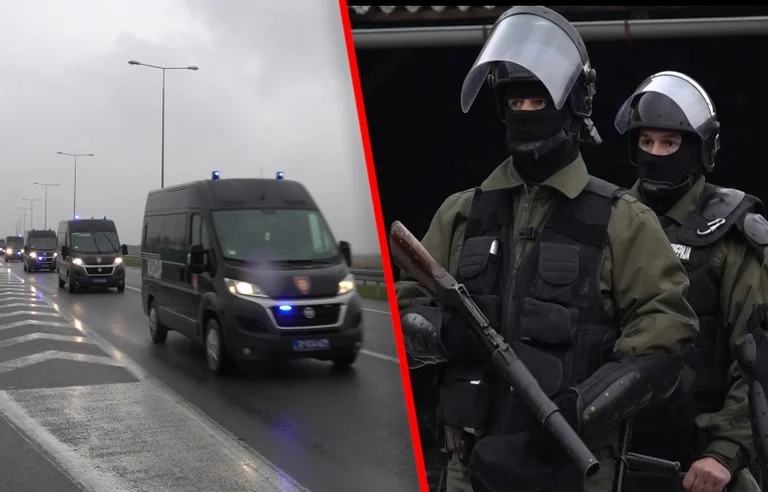
The confession of the former Serbian police officer: Over the mass cemetery of Kosovars, gendarmerie object built
Periskopi(5 years ago)
(5 years ago)A former Serbian police officer has confessed to hiding the bodies of those killed by Kosovo during the war who were later brought to be buried in Serbia to hide traces of crime. I and two other people know that there was a mass cemetery at the time. When I mentioned this [...]
I and two other people know that there was a mass cemetery at the time. When I mentioned this at the War Crimes Prosecutor, I was asked permission to confess this later. He knows I know this story. I can't die without showing this. Last year a team from The Hague came to me and asked me to take them to that place which I did.
They took some pictures from the place and that's it. I want to tell you and don't blame me, please. There is already the building of the Gendarmerie of the Republic of Serbia that president has Aleksandar Vucicin” has shown Jovan Golubovic, an already retired policeman who in 2009 and 2010, as the war crimes prosecutor in Belgrade says was a witness.
Serbian Government Commission for Undiscovered Persons leader Velky Odalovic declared Thursday that for the first time, he is hearing Golubovic's confession
According to Odalovich the witness in question, it is good to make this information available to the investigative bodies as well as the Commission itself that they proceed.
And Ibrahim Makolli from the Government Commission for the Unfinders says they will seek additional information on Surdulica's case, where there were suspicions of mass cemetery.
There during the time of the war was police range, but accurate knowledge of the Gendarmerie building, according to Gollobovic's claims, even in Pristina, do not.
“to investigate the evidence that the former Serbian police publicly released is thought to have contacts and meetings between the two sides in the coming days” said Makolli.
The recent mass grave that has been discovered in Serbia, where the bodies of dozens of people killed in Kosovo are allegedly found and then transported to Serbian soil is in Kizevac.
Excavations there are expected to resume in weeks.