5 hours ago
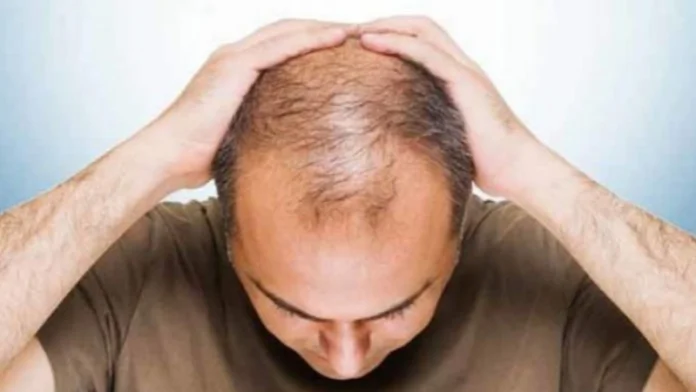
Hair loss can be a sign of serious illness
Periskopi(5 years ago)
(5 years ago)There are many causes, from genetic factors, skin diseases, a lack of vitamins and minerals to hormonal disorders. Each hair's life is divided approximately into three stages, growth, rest, and decline respectively. The stage of growth is the longest phase. At this stage, average hair grows one inch per month. After the end of this [...]
Each hair's life is divided approximately into three stages, growth, rest, and decline respectively. The stage of growth is the longest phase. At this stage, average hair grows one inch per month. After completing this stage, the hair enters the sleeping stage, which lasts several weeks. After that phase, which lasts an average of 2-3 weeks, it enters a phase of decline. The hairs that enter the fall stage lose contact with the hair sheet and fall within two to four months.
This period can be reduced by brushing and washing their hair, but it cannot be extended.
At the end of this period, even if nothing is done to the hair, the hair will fall itself. New hair is formed by the hair glands to replace the lost hair.
This cycle continues throughout life. At any given moment, 85-90 percent of the hair is in the growth rate, 1-2 percent are in the sleeping phase, and 10-15 percent are in the fall stage. There are approximately 100,000 to 150,000 hairs on the human head, and about 100 hairs fall daily. If it falls more than this number, so if we take 3-5 hairs when we pull our washed, dry hair, we have to take this situation seriously.
Determine Cause
The causes of hair loss are different, including genetic factors, skin diseases, malnutrition, vitamins and minerals, hormonal disorders, systemic diseases that affect your body's overall health, medications (particularly those used for cancer treatment), postnatal hair loss, cosmetic applications, and stress and depression.
The most important thing is to determine the cause and apply proper treatment in line with circumstances. There is no single cause of hair loss, and there is no single method of treatment.
How to Treat
Dermatologists describe medication approved by the FDA to achieve an effect in the form of increasing hair size, dipping, and preventing further hair loss. Medications can be useful in areas where hair weakens and weakens.
Drug treatment has little or no effect on the full loss of hair on the front and upper part of the head, where hair cells die and cannot produce new hairs.
PRP method for growth
The PRP is a triphasor medical treatment in which the patient's blood is taken is processed, and then the clotted plasma is injected into problematic areas. This method enables the growth of new hair if hair glands are alive, reduces hair loss, and helps to enrich and strengthen hair folics.