6 minutes ago
Fajon: Differences between member states complicate EU's stance on Western Balkans

Periskopi(5 years ago)
(5 years ago)The summit for the Western Balkans will take place today in Brno, Slovenia, however the focus of topics with a vague view of the European Union member states' stance about the opening of Union's doors to the six Western Balkan countries. The skepticism of several Union countries about enlargement for Western Balkan countries, [...]
To talk about the expected positions and statements of EU leaders this Sam, Kosova Prees interviewed former Kosovo rapporteur in the European Parliament and currently MP to the European Parliament, Mrs. Tanya Fajon.
Kosovaress: On Wednesday, Slovenia will be the host of the Brdo Brione Summit, which will unite leaders of the six Western Balkan countries and leaders of the European Union in a strong effort to reach an agreement among Balkan countries to boost their co-operation. What do you expect from this meeting?
Fajon: As written in the Brdo Summit programme, this meeting is indeed a clear signal proving that the European Union is the main political, economic and commercial partner of the Western Balkans. Investments designed through economic and investment plans are supposed to spur long-term economic recovery, accelerate green and digital transition, support regional co-operation, and, above all, promote the accession process. However, the most important question we need to ask is what are the expectations of the Western Balkan countries of the summit, as we are witnessing a continuing spread of Eurosceptism between citizens and leaders in the region. I believe that their perspective, regional challenges and real expectations should be established. The European Union's job is to support, assist, help and instruct. The latter is also one of my top priorities as a member of the European Parliament and my desire for more than a decade. The participating leaders in Sam should put aside their differences and focus on finding common ground to accelerate the way for a European integration of Western Balkan countries. The common challenges are clear and have largely to do with the areas of rule of law, freedom and plurality of the media and respect for human rights.
Kosovaress: Countries that make up the group 6 Western Balkan countries so far have been lured by the accelerated momentum for EU membership, but this Sam is being held at a time when enlargement is considered a very sensitive issue for the EU, which is divided into the need and speed at which countries should be admitted into the bloc. What message do you expect EU leaders to deliver on this Sam?
Fajon: Enlargement may be a sensitive subject for some EU member states, but I think we are all aware that the status quo in the region is very sad and unacceptable for both the Union and the entire region. Blocks by some member states are simply not right, for they lead to worsening trust and mutual respect. I strongly believe that our first steps for a stronger and more stable common future are at opening negotiations with Albania and Northern Macedonia. The impasse of these two countries, let me stress again, which met all necessary conditions, is undermining the credibility of the EU and conflicts with the strategic interest of the Union, which is providing and promoting the stability of the Western Balkans. The same applies to the EU's unfulfilled pledge of visa liberalisation for Kosovo. By saying this, the message I expect from the leaders is their strong and sincere commitment to work on these concrete issues in light of further co-operation, to show their support for the region and to accept the progress that has already been made. First of all for the good of citizens.
Kosovaress: Meanwhile, some Western Balkan countries appear to have pressured the EU to continue accession talks with Balkan countries that are providing interest indicators for strengthening closer ties with China and Russia. Do you view these as serious efforts?
Fajon: The Orex of China and Russia for the region is not surprising, but are more followers because of Europe's internal enlargement fight on the one hand and because of serious external problematic factors affecting the region on the other. All of this contributes to expanding the range of influence deep in Europe's neighbourhood and to direct competition for its strategic interest. Although Europe continues to be the biggest economic partner and donor in the Western Balkans, Europe is avoiding when it comes to moving. Lack of solidarity in the role of vaccination again testified that skeptics were right, and left the square to his rivals.
Kosovaress: European Commission President Ursula von der Leenen visited the Western Balkans before the summit, repeating its support for countries including Serbia to join the European Union. But politicians in the region see this topic with disappointment, as it has been repeating for years. Can there be any concrete steps during this summit that stimulates the desire of Western Balkan countries for serious reforms required with EU membership criteria that could push their interest in co-operating with China and Russia?
Fajon: I have always been a vocal supporter of the expansion of Western Balkan countries. I am convinced that Europe will not be complete without the Western Balkans integrated into it. However, it is understandable that the Balkan countries will head elsewhere if the European Union disappoints them. This summit is a good opportunity to strengthen our cooperation and relationships. Slovenia specifically has an important role in this process because of the strong neighbourly ties we have historical and economic ties. We should also be aware that since 2004, as far as the population is concerned, Slovenia may have become even more attached to the Western Balkan region, as many people from the countries of the former Yugoslavia have been displaced in our country. Since then, we have also experienced two crises, economic crisis and migration, while at the moment we are still experiencing a devastating health crisis. With this, we have learned that Slovenia can be a strong and extenuating ally between the EU and the Western Balkans, and that in the long term, it makes sense investment in things that unite us and resolve historical disputes through dialogue.
We need to build strong communication to achieve positive results, as we did in the past when we enabled visa-free travel to the Schengen area for citizens of the Republic of Northern Macedonia, Montenegro and Serbia since December 2009 and for the citizens of Albania and Bosnia and Herzegovina in November 2010. Positive practices are the result of dialogue, work and effort on both sides.
Kosovaress: Has not recognised Kosovo as a state more complicated by the five EU member states' position on the region and its bloc integration challenges?
Fajon: Differences between member states complicate the EU's attitude towards the region in general, but it is important to continue working on finding compromises and common grounds for the benefit of our citizens. Impartial interest on each side must be resolved so that there is progress.
Kosovaress: Disagreements between Kosovo and Serbia always get more attention at meetings like anything else. Do you expect the same to happen this time, given the recent tensions in northern Kosovo?
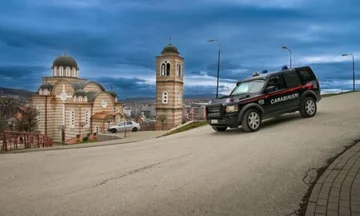
Fajon: Recent tensions between Serbia and Kosovo have certainly received much attention from the European Union and the international community. I am glad that after two days of negotiations, all sides have reached an agreement to end recent tensions. Downplaying recent tensions shows that the good and security of citizens is the most important. I think we are all aware of the painful past that the Western Balkans region has experienced; people are tired of conflicts and wars. The formation of the Working Group consisting of EU representatives Belgrade and Pristina, led by the EU, is a good step forward in finding a permanent solution, based on EU standards and practices. The first meeting of this Working Group will be held in Brussels on 21 October, and within six months the Workers Group must present its findings for a permanent solution at the summit of high-level dialogue.