10 hours ago
Study: Days before and after the full moon are bad for sleeping
Periskopi(5 years ago)
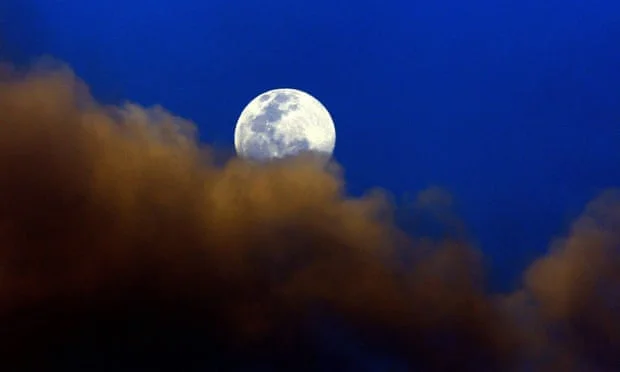
(5 years ago)The people have put the moon on a series of major responsibilities: people's moods, crime increases, or even psychosis. But can the lunar <x0.8x1> interfere with our sleep? Scientists have long realized that human activity is etched by light - both sun and moon - and artificial. [...]
Scientists have long realized that human activity is etched by light - both sun and moon - and artificial. But one study is now suggesting that our ability to sleep is clearly influenced by the lunar cycle, even when artificial light sources are taken into account.
Using hand monitors, researchers traced to the sleep features of 98 individuals living in three indigenous communities in Argentina over a month or two. One rural community had no electricity access at all, the other had limited electrical access, while the third was in an urban settlement with full access to electricity, reports Guardian, translates Periscopi in Albanian.
Participants in all three communities had shown the same pattern of sleep deprivation as the moon progressed in which of 29.5 days, sleeps ranging from 20 to 90 minutes, and sleeptimes ranging from 30 to 80 minutes.
In each community, the high point of insomnia and staying up late at night occurred between three and five days before full moon nights, and the opposite was with the nights preceding the new moon.
The data was quite surprising because the initial expectation was that there would be less sleep and more activity on full moon nights, said research author Horacio de la Iglesia, professor of biology at Washington University.
Unbeknownstly, data showed that the lunar effect in sleep appeared stronger as the community's least electricity. /Periscope