15 hours ago
When do you fully recover from the coronary? Recent Study Brings Surprising Data
Periskopi(6 years ago)
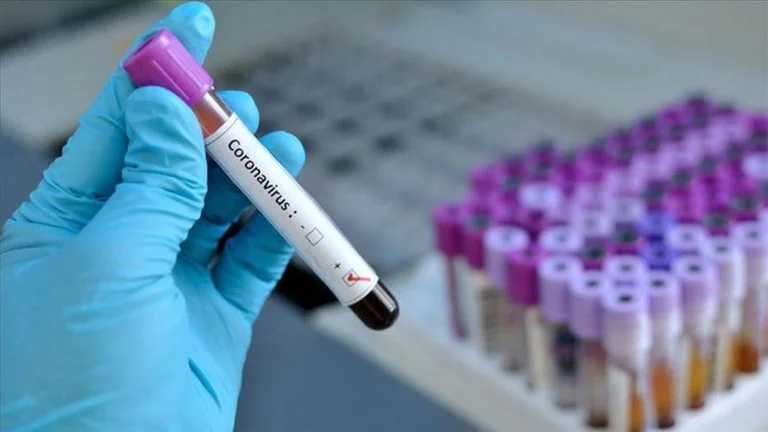
(6 years ago)Almost three quarters of patients have reported symptoms of COVID-19, even three months after recovery. This is the result published by a recent study in the United Kingdom. The study has examined 110 patients of “North Bristol NHS Trust”, part of the “Discover” project, and was intended to identify the long-term effects of [...]
Almost three quarters of patients have reported symptoms of COVID-19, even three months after recovery. This is the result published by a recent study in the United Kingdom.
The study has examined 110 patients of “North Bristol NHS Trust”, part of the “Discovery” project, and was intended to identify the long-term effects of the virus called “CO The length of”.
From verifications, a total of 81 patients out of about 74% ʹ experienced symptoms such as breathing difficulties, excessive fatigue, muscle pain after 12 weeks.
Although most had recovered from initial symptoms, such as fever, cough, and loss of smell and taste, they still felt tired and were unable to do even basic things for themselves, such as washing and wearing, without talking about going to work.
And there are many things we don't know about the long-term effects of coronary, but this study has given us a new vital picture of what challenges patients can face in curing them and will help prepare us for these” needs, Dr. Rebecca Smith, by “North Bristol NHS Trust”.
Francisco García, 31, remained in the hospital for four months after being infected with Avid-19, and returned home in Los Angeles on August 19th.
Project “Discover” recruited 163 patients for the study, 19 of which passed away. The rest were called for a search after three months, and 110 of them agreed to be part.
Dr. David Arnold, who directed the “Discover” project, said the study described “ate that many coronary patients have told us: they still have breathing problems, they feel very tired and they suffer from insomnia for months after recovery”.
“However, X-ray abnormalities and respiratory tests are rare in this group”, - he adds. The next “Work on the “Discover” will help us to understand how we can help sick people who suffer the long-term consequences of the Coronavirus. ”