15 hours ago
What should you do if you have been cured by the coronary
Periskopi(6 years ago)
(6 years ago)What should you do, and how can you behave if you have passed the new coronary? Are you now protected by what you should be careful of? These are just some of the issues that concern people who have been recovered from COVID-19. Should sickness - healing people wear masks? Keeping the mask on [...]
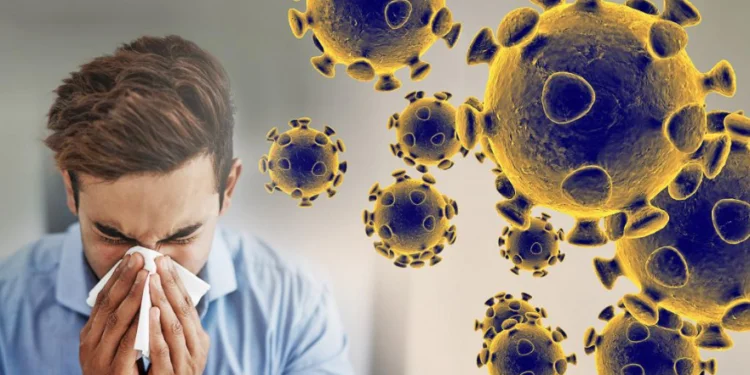
What should you do, and how can you behave if you have passed the new coronary? Are you now protected by what you should be careful of? These are just some of the issues that concern people who have been recovered from COVID-19.
Should sickness - healing people wear masks?
Keeping the mask in closed spaces, but even outside in certain situations when it is not possible to keep physical distance and to apply measures to prevent the virus, in the country is compulsory for all citizens, whether they have coronarys or not.
Epidemiologists suggest that even those who have recovered from COVID-19 in the first weeks after recovery must wear masks so as not to expose the organism already weakened by other dangers.
How many times can the new coronary blood plasma donate?
In the country, blood plasma donors may be all persons recovered from the coronary between the ages of 18 and 60 and weighing more than 60 pounds [60 kg]. They need to be tested twice and have two negative tests. After 21 days of second negative test they can donate blood plasma. The donation process lasts between 40 and 60 minutes, while they may again donate plasma after 15 days but still depend on the amount of antibodies in the organism.
How long can people treated by COVID-19 be carriers of the virus?
When infected with coronary, the average period of incubation is five to six days, the maximum 14. However, it has been shown that the disease may last longer, with specific patients contagious for up to four weeks. This, experts say, depends on the amount of the virus in the body or may be the remains of the virus that produce positive results.
What care should be taken from the patients cured by the coronary?
Patients who have been recovered from COVID-19 or are in the process of healing must be protected from viruses and other bacteria. Epidemiologists are particularly concerned about patients who have been subjected to hospital treatment. They need to rest, sleep enough, eat properly, and adhere to all protective measures to use mask, hand hygiene, and physical distance.