4 minutes ago
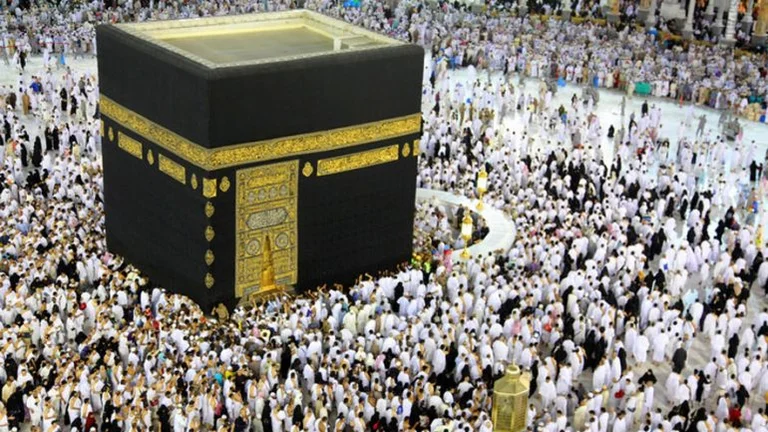
At Mecca's great mosque, forgiveness was done without believers
Periskopi(6 years ago)
(6 years ago)The pardoning of the dung offering, at the large mosque in the holy city of Mecca, has developed for the first time in modern, faithless history because of the pandemic of the Coronavirus. Saudi authorities only allowed the cleaning staff and security personnel to enter it. By contrast, thousands were pardoned outside St. [...]
The pardoning of the dung offering, at the large mosque in the holy city of Mecca, has developed for the first time in modern, faithless history because of the pandemic of the Coronavirus.
Saudi authorities only allowed the cleaning staff and security personnel to enter it.
On the contrary, thousands of people were pardoned outside St. Sophia in Istanbul on the first day of the Festival of Sacrifices, and that was the same time the first time that forgiveness of the dung was held in the ike building since her return to a mosque earlier this month.
Even at Al Aqasa Mosque in Jerusalem, Palestinian believers were pardoned on the first day of the festival of sacrifice, which is celebrated throughout the Muslim world in honor of Abraham's will to sacrifice his son to God.
In other Muslim countries of the world, forgiveness was prohibited or restricted because of pandemic.
The festival of sacrificial dung was preceded by the ritual of Hagi, which this year did not resemble any previous ritual. As never before, Saudi Arabia banned pilgrims from other parts of the world and allowed only its citizens in limited numbers to perform one of Islam's main obligations, it broadcast Tch.
Muslim pilgrims walked around the bush on the third day of Hagi as they earlier climbed Mount Arafat, all under strict control and social distance measures.