2 minutes ago
In Kosovo-Serbia dialogue: Thaci, US, and EU

Periskopi(6 years ago)
(6 years ago)In order to reach a final agreement, resulting in mutual recognition at the existing borders, the Government recognises the role of the European Union and the United States of America as inseparable for the success of this” process, says the Programme, a copy of which KOHA has provided. “Full include in dialog, [...]
In order to reach a final agreement, resulting in mutual recognition at the existing borders, the Government recognises the role of the European Union and the United States of America as inseparable for the success of this” process, says the Programme, a copy of which KOHA has provided. “Full involvement in dialogue, both the EU and the US, is key, both in reaching the agreement and ensuring its implementation”, KoHA writes.
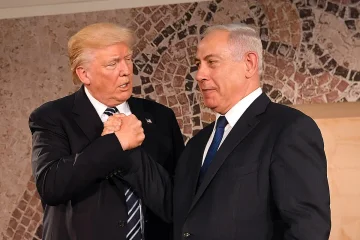
But President Thaci now appears to have turned his back on the EU and requires that dialogue be mediated only by Washington. Finally, President Thaci has also refused to negotiate with EU mediator Miroslav Lajcak, while in some cases has said the EU has lost credibility, and has rejected Lajcak's appointment, saying that “will fail”.
The parties currently in the ruling coalition have not rejected the EU as mediator, but have stressed that without the US any process can be successful. The clash that led to the collapse of Albin Kurt's past government was even argued in large measure because of disagreements about the dialogue process mediated by American emissary Richard Greene.
On the other hand, local and international connoisseurs have voiced fears that a quick solution in Washington, Kosovo is expected because of the presidential elections that should be held in the autumn, and which solution could affect the borders as well.