3 minutes ago
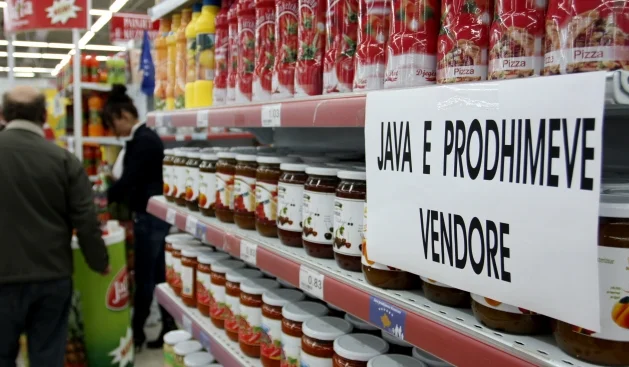
Kosovo producers drop Serbia's market
Periskopi(6 years ago)
(6 years ago)Fruit juices produced by the Kosovo company Frutomania have also penetrated the South Africa market and many other countries, including the Middle East. However, in the neighbouring state, Serbia, this company has never exported, due to continuing barriers they have had. Owner of this company, Armend [...]
Fruit juices produced by the Kosovo company Frutomania have also penetrated the South Africa market and many other countries, including the Middle East.
However, in the neighbouring state, Serbia, this company has never exported, due to continuing barriers they have had.
The owner of this company, Armend Malazog, tells Radio Free Europe that they have tried several times to export to Serbia, but their trucks have turned wrong.
The one of the reasons and the only key is that the code of the Republic of Kosovo is not registered in Serbia's customs code, and as such Dogana is impossible for Kosovo's product to continue and enter the Serbian market. Let's not then talk about the phyto-sanitary certificates issued by Kosovo institutions not recognised by Serbian ones, so we are unable to export to the Serbian state”, Malazog says.
Customs Code is a document that determines customs regulations. This code makes provision of the basic elements of the system for the customs protection of the Kosovo Republic's economy and the rights and obligations of all participants, in implementing customs legislation.
Similar problems have been experienced by the Old Bodrum wine in Rahovec. This summer's commercial director, Fidan Hadziha, tells Radio Free Europe that the Old Bodrum produces about 5 million liters of wine a year.
Eighty percent of this production is exported to different countries, but not even to Serbia.
Whatever export goes to Serbia, if it is packed and writes the Republic of Kosovo, then it is impossible to make it export, they do not accept it. For this reason, we are forced to export when we have a little bit more stock, but in the rejected system, not packaged”, says Hadzijaha.
Problems continue even after Kosovo removes all measures.
With problems facing Kosovo producers, the Kosovo Business Alliance is also announced. Mayor Agim Sahin tells Radio Free Europe that the barriers the Serbian state places on Kosovo producers have been inherited for years.
“Her does not accept the Victor-Sanitary certificate, but also the product that writes Made in Kosovo. These are constant difficulties. As Serbia's products continue to enter Kosovo without any problems on our 48x1> market, Sahin says.
The Kosovo government, has removed all measures that have been set for Serbian goods, so it can pave the way for continuing dialogue between Kosovo and Serbia.
One is required to make it possible for Kosovo producers to export to the Serbian market. However, Kosovo businesses continue to face various obstacles.
Prior to setting the customs fee for goods originally from Serbia and Bosnia and Herzegovina, in November 2018 set by former Kosovo Prime Minister Ramush Haradinaj, Serbia was the largest exporter of products in Kosovo.
This state in one year exported goods worth about 450m euros to Kosovo.