12 minutes ago
Two former political prisoners confess the inhumane torture they experienced in prison
Periskopi(6 years ago)
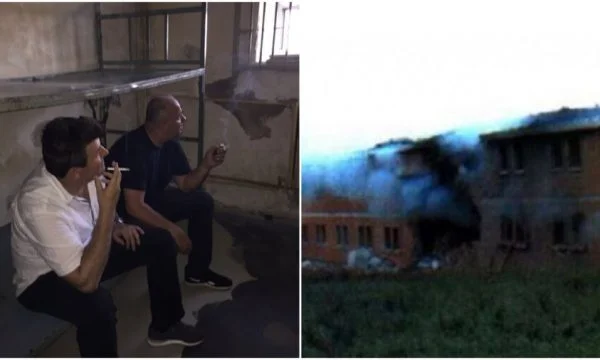
(6 years ago)For months they would survive the most inhumane forms of torture. These were used by electroshocs, snails, boiling water, sleep deprivation, fingering of the body with various tools. The signs of brutal abuse have not been erased from their bodies even after more than 20 years. Photo: Skender Feriz (left) and Besim Zymber [...]
For months they would survive the most inhumane forms of torture. These were used by electroshocs, snails, boiling water, sleep deprivation, fingering of the body with various tools. The signs of brutal abuse have not been erased from their bodies even after more than 20 years.
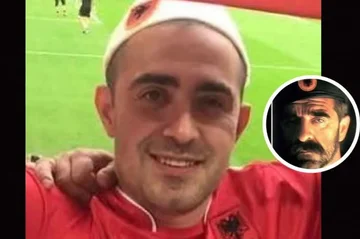
Photo: Skender Feriz (left) and Besim Zymberi two years ago in Room 15 where Ferizi was held in Gjilan Prison, turned into a museum.
There they had experienced the most inhuman torture during the 1998 trial
I couldn't find a single word in language that could describe the torture that was exercised against us”, says Besim Zymber, former political prisoner. “But, the human body is stronger than it can be guessed”, adds Zymber to laughter, while witnessing with Skender Feriz, also former political prisoner.
Zymber relates the tortures committed against them and friends in Serbian prisons. Feriz sometimes completes him with brief interference. Zymber, who was sentenced to 11 years in prison in September 1998 as part of Ferizaj's group of 28 people. Eleven activists were arrested on June 28, 1998, under suspicion of terrorism “”.
Both had rejected the charges. Feriz, who had been sentenced to fourteen years, was at the same time part of KMLDNJ, documenting with camera and camera for years crimes against innocent Albanians. He explodes his shirt stamp to show the brand of the screw stuck in the chest by Serbia's famous UDB inspectors. Similar signs are close to the left wrist and left leg, writes KOHA.
Ferizaj's group had been sentenced to 268 years in prison. The biggest tortures they had ever received were in Gjilan prison. Feriz shows shots fired during his visit to the prison room now converted into museums in the city of Anamorawa. In the spring of 1999, the two friends had witnessed with their own eyes over 150 Albanians killed and massacred in the Dubrava Prison by the regime of Slobodan Milosevic, whom international media referred to as “The Balkan Casap” for orchestrating wars in the former Yugoslavia.
Gathering from Kosovo, Serbian prisons
On the day of May 19, 1999, with two hands based on Ferizi's knees was Abdullah Tahiri from Malisevo of Gjilan, in room 2/31 in Dubrava until they were talking when the concrete ceiling plate fell. Tahir did not survive severe injuries.
The tablet took the life of two other roommates, Enver Topalli and Gjon Ndreca. The first NATO bomb had fallen into space between Feriz and Zymber's room and the Dubrava Prison Directorate.
All Albanian political prisoners brought in from April 29th to May 1st from other Kosovo and Serbian prisons had expected the Dubrava prison to be the target of the Atlantic Alliance.