7 minutes ago
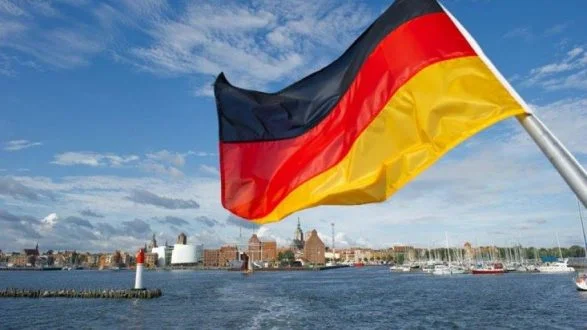
Some cities in Germany are back in quarantine, that's why
Periskopi(6 years ago)
(6 years ago)North Rohine-Westpholia, Germany's most populated state, recorded the biggest blow in cases, has become known that local authorities in Germany are returning deadlock measures because of increasing cases of coronavirus, just days after Angela Merkel began to ease restrictions, albinfo.ch explains. Germany has [...]
North Rhino-Westpholia, Germany's most populated state, recorded the biggest hit on cases
It has been known that local authorities in Germany are turning back the deadlock measures because of increasing cases of coronavirus infected, just days after Angela Merkel began to ease the restrictions, albinfo.ch conveys.
Germany has 16 federal states that have the power to change the restrictions measures, until everyone has agreed to restore the deadlock, if there are 50 new infected people among 100,000, within seven days.
The regional government in North Rohine-Westpholia, Germany's most populated state, recorded the biggest coronavirus hit after 150 of the 1,200 employees were tested positively at a slaughterhouse in Coesfeld.
Also, as a result of uncertainty, the regional government has postponed the reopening of restaurants, tourist spots, gyms and larger shops, which had to be opened on May 11th. However, the opening of schools and daycare centres has been said to take place as planned.
In the eastern state of Tiringia, more than 80 infections were registered for 100,000 people over the past week. Most of these infections were between employees and residents in six nursing homes and in a hospital.