a minute ago
The Bank of England forecasts the biggest decline since 1706
Periskopi(6 years ago)
(6 years ago)The Bank of England today kept the reference interest rate unchanged at 0.1 percent. The Bank also voiced readiness to take further measures if the economic crisis caused by the coronary pandemic worsens. The Bank of England's Monetary Policy Committee ( BoE, at the same time, has voted in overwhelming majority for [...]
The Bank also voiced readiness to take further measures if the economic crisis caused by the coronary pandemic worsens.
The Bank of England's Monetary Policy Committee ( BoE, at the same time, has voted in generous majority to pursue a 200 billion-dollar, quantitative programme, bringing its purchase of bonds to a total of 645 billion pounds, CNBC reports.
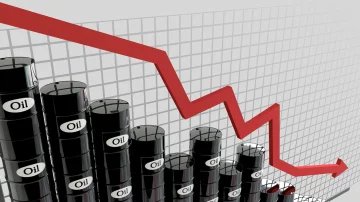
The Bank also estimated that, according to its scenario, the United Kingdom economy will drop by 14 percent throughout 2020, due to an economic decline of 25 percent in the second quarter.
This would be the sharpest annual decline since 1706, according to the historical figures of the Bank of England.
In view of the alleged relief of the social distance measures, the BoE expects GDP to decline to be temporary and that a rapid recovery will follow.
According to British Central Bank projections, GDP growth must reach the level before Covid-19 in the second half of 2021, after which it will accelerate next year to 3 percent.
BoE also estimates that unemployment rates will rise to 8 percent this year, while next year 7 percent and a 4 percent drop in 2022