17 hours ago
What are zoonotic diseases, and why are they increasingly spreading to humans?
Periskopi(6 years ago)
(6 years ago)Zoonosis is a disease caused by germs passed on between animals and humans. <x0... Zoonosis or zoonotic diseases are common worldwide; they [...]
<x0...
Zoonosis, or zoonotic diseases are common worldwide; they can be caused by viruses, bacteria, parasites, or fungi, and can cause mild or serious diseases or death, Kosovo priss broadcasts.
Experts estimate that about 60 percent of known infectious diseases in humans can be spread by animals, and 3 out of every 4 new diseases are derived from animals, according to the Centers for Disease Control and Prevention (CDC).
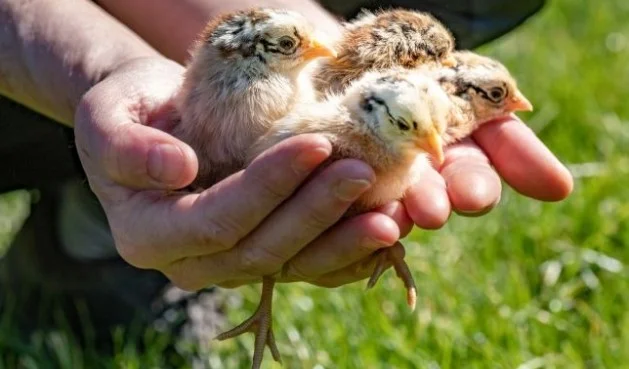
Direct contact with animals is the easiest way to spread diseases from animals to humans, such as through bite or scratch by an animal.
People who work in the livestock industry or in the animal - care industry (a zoo or aquarium, for example), are more sensitive to exposure to zoonotic diseases because they are often in direct contact with animals.
Pets can also be a direct source of exposure, as well as wild animals that come in contact with hunters.
Some zoonotic microbes can even contain the air we breathe. For example, intavirus are a family of rodent - spread viruses but rarely through direct contact.
Zotonotic diseases can also be transferred from animals to humans through insects that act like a “intermediate”.
Mosquitoes and fleas are also common vectors for zoonotic diseases, such as the Zika virus and the plague - causing bacteria transmitted by fleas.
People can also be affected by zoonotic diseases through consumption of contaminated food. Food of meat or boiled eggs or eating uncleaned products that are contaminated by animal religions can lead to disease from animal - borne germs. Consumerizing clean milk or contaminated water can also cause zoonotic diseases to spread to humans.
The World Health Organization works with government and nongovernmental groups worldwide to identify and manage the global threat of zoonotic diseases.
In May 2019, The CDC released a report describing eight zoonotic diseases with the greatest concern in the U.S.: zoonotic flu, salmonelosis, West Nile virus, plague, developing coronarys, rage, brosa and Lyme disease.
Coronavirus is a large family of viruses that infect birds and mammals.
These strains of viruses have been responsible for several explosions around the world, including SARS in 2002-2003 and the current COVID-19 pandemic. There are seven coronarys known to infect humans. The SARS-CoV-2 virus, which causes COVID-19, may have originated from bats, but it is still not clear how the virus spread to humans.
Why are zoonotic diseases a growing concern?
Scientists are not exactly sure why zoonotic diseases seem to be on the rise, but they have some strong hypothesis.
Zoonotic disease is a major concern for human health for two reasons: zoonotic diseases are growing on frequency; and it's hard to predict where they will appear”, Han says.
According to Han, one of the simplest reasons can be that humans occupy the habitats of animals more frequently, which facilitates more interactions between humans and animals.
Some cultural practices can also contribute to more zoonotic diseases. For example, many people practice hunting, and in many parts of the world, this is the main source of proteins”, Han said.
Another possible reason is that people are closer to each other now than ever before, ensuring more likely that the zoonotic disease will spread far away from wherever it comes from.
The Prevention of Zotonotic Diseases
There are clear steps that individuals and scientists can take to minimize the risk of exposure and the effects of zoonotic diseases.
On the individual level, good hygiene is the best place to start. The CDC recommends always washing hands with soap and clean water after spending time around animals or in areas where animals live, even if you have not touched animals.
When it comes to your pets, vaccinate your dogs and cats and avoid reptiles of pets or birds because they are more likely to spread germs.
If you don't know what's in your yard, then you don't know what they carry can be harmful to you,” said Han.
A fuller understanding of ecosystem can help scientists create better ways to predict and prevent the exposure of zoonotic diseases.