5 minutes ago
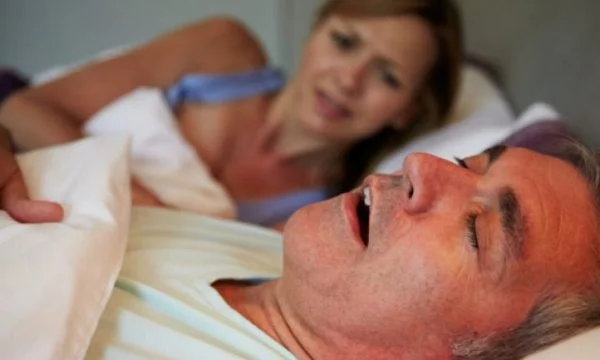
How we are threatened by coronary when we are asleep
Periskopi(6 years ago)
(6 years ago)When we wake up, if we accidentally breathe juice or something, we automatically cough. Unfortunately, we can't do this while we're asleep, according to Polloologist and researcher from Seattle, Bruce L. Davidson, this happens in the case of absorption of saliva from the throat, in which the virus can be found, writes CNN. If you have lung injuries [...]
When we wake up, if we accidentally breathe juice or something, we automatically cough. Unfortunately, we can't do this while we're asleep.
According to Pollologologist and researcher from Seattle, Bruce L. Davidson, this happens in the case of absorption of saliva from the throat, in which the virus can be found, writes CNN.
If you have lung injuries because of smoking, if you swallow your saliva, which we all do during sleep, the largest amount of throat content will end in the lungs.
The amount of fluid absorbed during sleep is entirely sufficient to cause lung fuel, in effect, even to most lung inflammation.
So why don't we wake up every morning with lung burns?
First and foremost, most people have healthy bacteria, not germs such as coronavirus, that cause lung inflammation.
The second reason we don't have lung fuel in time is what lungs hold certain cells that kill wandering microbes.
The third reason is that healthy people have a strong system that carries absorbed viruses and bacteria into gasherder and releases them into esophagus, and then they are absorbed into saliva.
Some people get diarrhea from this virus, because it can't infect cells in your stomach. When we wake up, if we accidentally absorb juice or something else, it is coughed out if the person has normal coughs and very powerful coughs.
All these protective factors are weak in individuals who have sick lungs or weak immune systems because of old age.
What increases your risk of illness?
Like other respiratory diseases, the new infection from COVID-19 can cause mild symptoms such as colds, sores, coughs, and fevers, or more serious symptoms, such as pneumonia and respiratory difficulties. Rarely can it be fatal.
The most sensitive to severe forms are the elderly and those with existing diseases, such as diabetes and heart disease.
How can we protect ourselves during the day and night?
Avoid close contact with people suffering from acute respiratory infections
The frequent washing of hands, especially after direct contact with sick people or at their home
Avoid face touch and mouth covering and nose with bandages, sleeves, or forearms during coughing and sneezing. Bury bandages used in the nearest waste basket
If you have fever, coughing, and breathing difficulties, seek medical help immediately and relate the evental history of travel abroad
Sick people must stay at home in order to prevent the spread of the disease
Avoid closed and overloaded places.