16 minutes ago
Sweden, unlike all around the world, statistics show bad news
Periskopi(6 years ago)
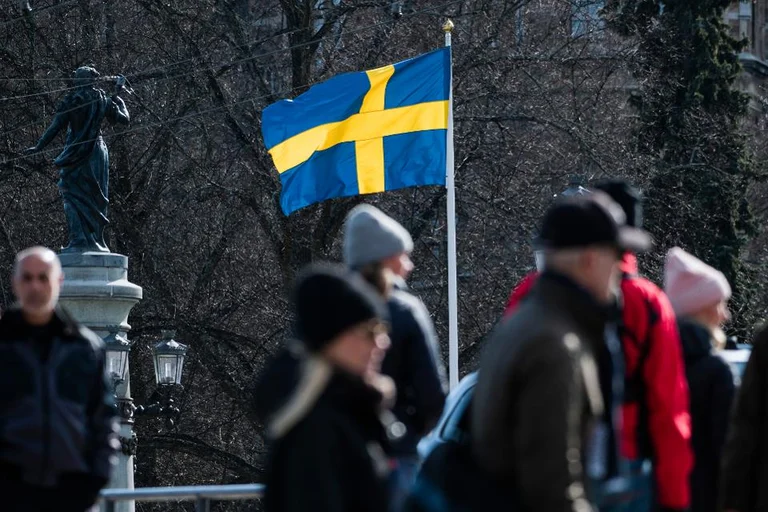
(6 years ago)Sweden has been the state with the most unusual approach during COVID-19. The country has not joined many of its European neighbours in imposing strict restrictions on citizens' lives, and images of people who go to work on busy roads, or conversations in cafes and bars have raised a lot of surprise. Children [...]
Sweden has been the state with the most unusual approach during COVID-19.
The country has not joined many of its European neighbours in imposing strict restrictions on citizens' lives, and images of people who go to work on busy roads, or conversations in cafes and bars have raised a lot of surprise.
Young children have continued to go to school, although universities and schools for older students have passed on to far - distance learning.
Businesses ranging from hair salons to restaurants have remained open, although people have been advised to work from house to house where possible.
Among Nordic countries that share similar cultural, geographical and sociological attributes, contrasting with Sweden is great.
Finland declared a state of emergency, closed schools, and banned meetings of more than 10 people on March 16th, the news broadcast.
Denmark announced widespread closures on March 11th and was among the first countries in Europe to close borders, shops, schools and restaurants.
Norway began to present travel restrictions in mid-March, and since then has closed schools and businesses such as hair salons and beauty.
The death rate in Sweden has now increased considerably and is higher than many other countries in Europe, reaching more than 21 per 100,000 people, according to figures from Johns Hopkins University, controlled for the population.
By contrast, Denmark has recorded more than seven deaths for 100,000 people, and Norway and Finland less than four, CNN reports.