8 minutes ago
Lack of Fiscal Emergency Package in Addressing Private Sector Needs
Periskopi(6 years ago)
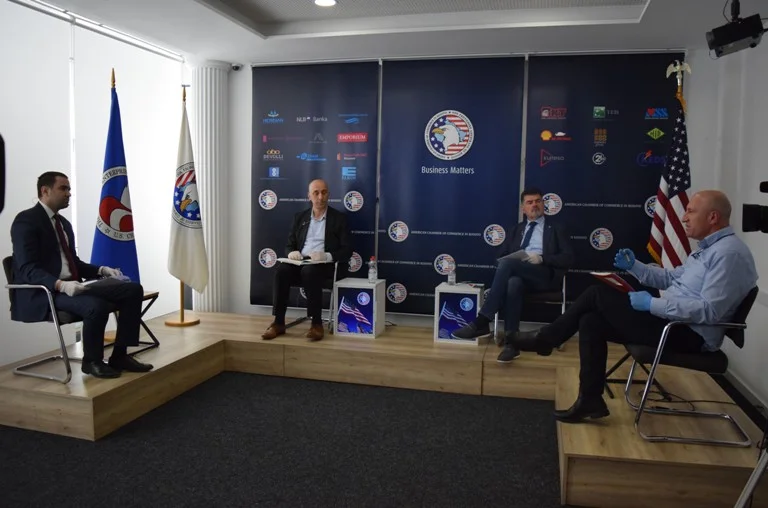
(6 years ago)The private sector as the biggest contributor to the country's economic development has been hit terribly by the spread of the COVID19 pandemic, and yet the measures taken through the Government's Fiscal Emergency Pack, although welcome, are resulting in poor damage prevention, while in terms of compensation they are not treating workers properly [...]
Optilret Havolli from the Orbeco trade company highlighted the importance of private sector involvement in the dialogue processes, with cʹrast stressing that decisions stemming from the Emergency Fiscal Pack would have to be made in co-ordination with the business community so that its effect would be chain and stable. He said the divided amount and structure or content of the package are two points that need to be addressed further. According to Havol, the amount shared in coping with this phase is very small compared to other countries, and its effect will be seen very little. Meanwhile, as far as the structure is concerned, he estimated that the latter is very well based on social schemes, which, while significant, has short-term effects on temporarily increasing consumption, and more will help other economies than the country's economy. Havolly said most of this package would have to focus on businesses, especially local producers.
Milaim Abdullahu from Santefarm, at the same time, representatives of the Kosovo pharmaceutical designers' Association, said that as a result of the panic caused by the pandemic, the pharmaceutical sector has faced a visible several-day increase in demand, which has been followed by a drastic decline following the creation of reserves for medicine by citizens. He said governments should stop not treating businesses as a side of interest, and expressed his despair over the unfolding of the Packos Fiscal Emergency without any consultation with the private sector. According to him, it constitutes an uneven treatment between public sector and private sector employees, stressing that pharmacists, even though they were on the front line, have not been treated the same as health workers in compensation. Abdullah added, among other things, that since the actual package is not known exactly how long the emergency phase will last, the government should come with a longer-term plan, since the current package is not proportional to the damage caused.
Sami Makoli from the company Rico also stressed that the measures derived from this package have not been well cleared, while there is a need for more detailed analysis for business to feel its effect. Although Makolli said any assistance is welcome, he declared scepticism on the way the package is applied, since additional information on application procedures is lacking. According to him, these measures are not resurposing in the sense of an equality between the public sector and the private sector, and after that, private businesses will become even less attractive to employees since they are the first to suffer the unfair treatment. Moreover, Makolli called on the Government to be more flexible in paying debts to contractors, because the flow of revenues is key to any company at this time.