a day ago
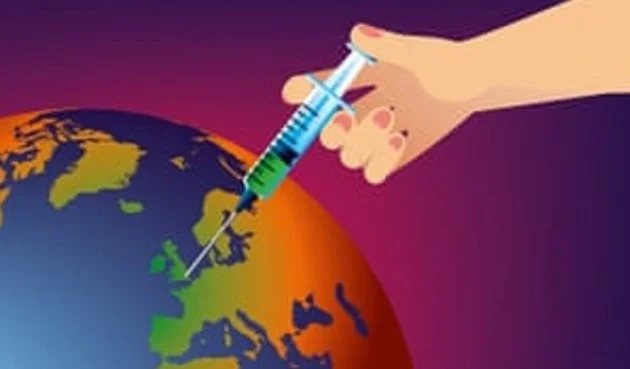
When will the coronary vaccine be ready?
Periskopi(6 years ago)
(6 years ago)Human trials will start immediately, but even if they go well and a cure has been found, there are many obstacles before global immunization is possible, writes Guardian. With the World Health Organization finally proclaiming an pandemic, all eyes are directed by the prospect of a vaccine, since only one [...]
With the World Health Organization that finally proclaimed an pandemic, all eyes are directed toward the prospect of a vaccine, since only one vaccine can prevent people from getting sick.
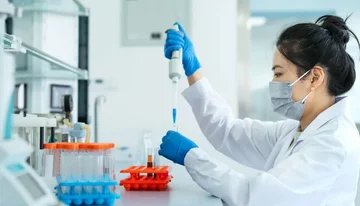
About 35 companies and academic institutions are competing to create such a vaccine, at least four of which already have candidates tested in animals. The first of these produced by Boston-based biotechnic firm Moderna will enter human trials immediately.
This incredible speed is largely thanks to earlier Chinese efforts for the sequence of Sars-CoV-2 genetic material, the virus that causes Ovid-19.
Kin divided that sequence in early January, allowing research groups worldwide to grow the living virus and study how it invades human cells and makes people sick.
Although no one could predict that the other infectious disease to threaten the globe would be caused by a coronavirus flu is generally considered to represent the greatest indemecibility risk àuologists had defended their bets by working on neurostotype”.
“The speed with which we [produced these candidates] build a lot of investment to understand how to develop vaccines for other coronarys,” says Richard Hatchett, CEO of Oslo-based OJFs, the Coalition for Epidical Preparation Innovations (Cepi), which is making the main effort to finance and co-ordinate the development of Coved-19 vaccines.
All vaccines function according to the same basic armament. They present a part or all pathogen to the human immune system, usually in the form of an injection and in a low dose, to stimulate the system to produce antibodies to pathogens.
Antibodys are some sort of immune memory, which after being promoted once can be mobilized quickly again if the person is exposed to the virus in its natural form.
Traditionally, immunization has been achieved using direct, weakened forms of the virus, either part or whole of the virus after it is disabled by heat or chemicals. These methods are flawed. The direct form may continue to evolve into a climater, for example, potentially catching some of its virulence and making the receiver sick, while higher or repeated doses of the inactive virus are required to reach the necessary degree of protection.
Some of the Devid-19 vaccine projects are using these proven and tested approaches, but others are using newer technologies.
A newer strategy what Novavax is using, for example, ʹ builds a <x0-recombinant vaccine”. This involves extracting the genetic code for the protein point on the surface of Sars-CoV-2, which is the part of the virus that is most likely to provoke an immune reaction in people, and its climbing into a bacteria' genome, forcing these microorganisms to burn large amounts of proteins.
Other approaches, even younger ones, bypass protein and build vaccines from genetic instruction itself. This is the case for Modernna and another company that has a presence in Boston, CureVac, both are building the Codvis-19 vaccine.
Clinical trials, an essential forerunner of approval, are usually conducted in three za fa. The first, involving dozens of healthy volunteers, tests the safety vaccine, monitoring the opposite effects. The second, which includes several hundred people, usually in a part of the world affected by the disease, sees the effectiveness of the vaccine, and the third does the same in several thousand people.
But there is a high level of attraction, as experimental vaccines pass through these stages, broadcast Kosovas.
Not all horses leaving the original gate will not finish the race, says Bruce Gelin, who runs the Washington-based global communication program, the Sabin Vacin Institute.
There are good reasons for this. Either the candidates are insecure, or they're ineffective, or they're both.
Approval can be accelerated if regulators approved similar products earlier.
Like most vaccinelogists, I don't think this vaccine will be ready 18 months ago,” says Annelies Wilder-Smith, professor of infectious diseases in London.
Meanwhile, there is another potential problem. Once a vaccine is approved, large amounts will be needed, and many of the organisations in the Ovid 19 vaccine race simply do not have the necessary production capacity.
After a Ovid 19 vaccine has been approved, a series of further challenges will be presented on their own.
The taking of a vaccine that has proved to be safe and effective in people takes one in the best way about a third of the way for what is needed for a global immunization programme,” says global health expert Jonathan Quick from Duke University in North Carolina.
The virus's “Biology and vaccine technology may be restrictive factors, but politics and the economy are far more likely to be barriers to immunization,” it adds.
The problem is making sure that the vaccine is done to all who need it. This is a challenge even within countries, and some have drawn up instructions. In the scenario of a flu pandemic, for example, Great Britain would prioritize the vaccine of health - care workers and social care, along with those considered to be at higher medical risk, including children and pregnant women.