4 hours ago
Study: God/Natira created unique, depressive humans to save mankind from diseases like Coronavirus

Periskopi(6 years ago)
(6 years ago)10 percent of the world's population have suffered from severe depression at least one point in their lives. While between 30 and 50 percent of the population have suffered from some type of depression. Symptoms of depression have been found in every culture on Earth and throughout history, although it once was called [...]
Symptoms of depression have been found in every culture on Earth and throughout history, although at one time it was called melancholi.
Unlike other rare psychiatric disorders, depression is very common.
According to a study by the University of San Diego, depression in the United States has steadily increased in recent decades, and people are suffering the consequences today. Even the suicide rate is higher than ever, writes BigThink, translates Periscope.
More people die in the world by their own hands than die in wars or automobiles, even if these two triggerers do them together.
Women and middle age are especially vulnerable to suicide. Studies show that depression or other disorders in most cases are motivating factors for taking life.
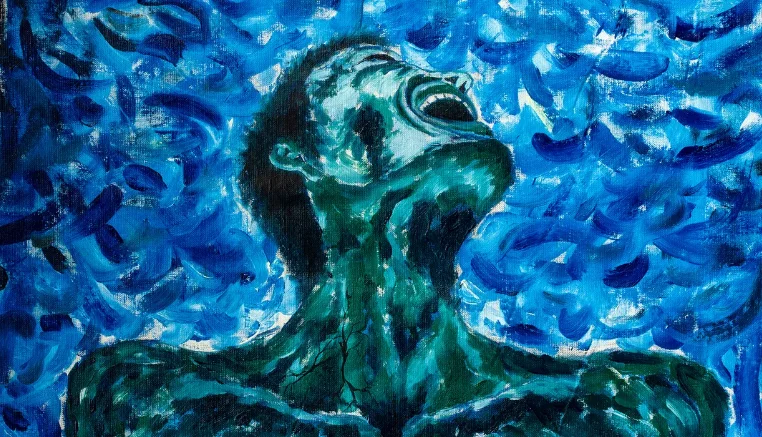
Researchers have pointed to economic anxiety over the years, job instability, and financial trouble more precisely.
Another reason could be increased social isolation. One study even called suicide a by - product of modernity.
But what if depression at one time gave great advantage to the evolution of human beings?
Some research points to neurophysiology as the basis for depression. 5 HT1A is serotonin receptor. This is the neurotransmitter that gives us the sense of well-being. In some studies, when the receptor was disappearing on rodent models, they were resistant to symptoms of depression. The pharmaceutical companies are currently developing drugs that target that same receptor.
Other studies have shown that the brain works differently with people who suffer from depression. An area of the brain known as the prefrontal ventral cortex [ V The LPFC shows extraordinary analytical activity among depressed people. This area is known for its commitment to analytical thinking. Depressed people often deepen by thinking about their problems. When this happens, neurons in this region burn on continuous ground. Receptor 5 HT1A is thought to offer food for these neurons that engage the process of deep thinking.
Because of this, scientists point out that depression is a biological process that helps a person avoid distractions in order to concentrate on difficult problems. Evolutionary psychologist Paul Andrews points out that “hisopetosis of analytical thought” that says by promoting a period of deepening, one can come with a solution and therefore increase the chances for survival.
There is also evidence that supports this theory. Researchers have shown that depression helps consolidate memories of individuals. Also, those with depression have proved themselves best at solving social problems. And social cohesion was extremely important to our ancestors. If the group failed to cooperate, how could it survive?
Another theory is that severe depression is an immune response. Those genes that feed the immune system to combat infection also increase the risk of depression, according to Andrew. Miller.
Symptoms related to depression include fatigue, loss of desire to share in recreation, and social attraction.
This has kept infectious diseases away from the social group, helping to prevent infection. The person also maintains energy, which can be used as an aid to immune response to disease. Advancing in medical sciences and public health may have made this reaction a bit outdated, but for our ancestors, infection was the biggest killer. /Periscope