15 minutes ago
Kosovo microbiologist: Home stay disrupts the spread chain of the Coronactrius
Periskopi(6 years ago)
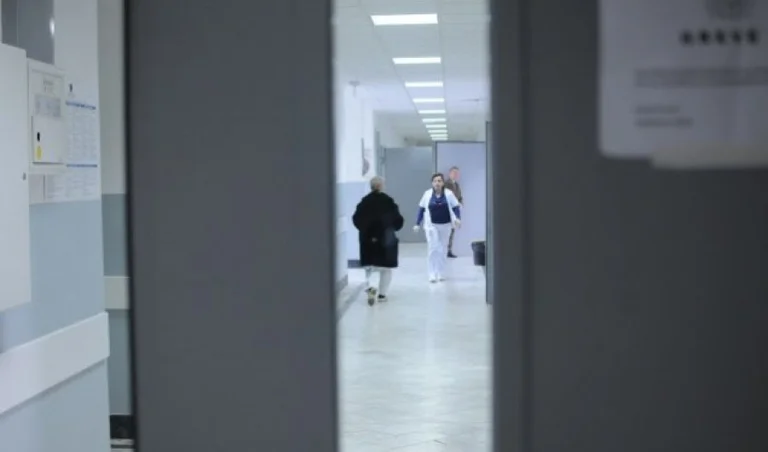
(6 years ago)Lul Raka, microbiologist, simultaneously co-ordinator of co-operation with the European Center for Disease Control and Prevention, in an interview for Radio Free Europe, said one affected by COVID-19 infects an average of one to three persons. He added that the largest number of people affected with the new coronary is behind [...]
Lul Raka, microbiologist, simultaneously co-ordinator of co-operation with the European Center for Disease Control and Prevention, in an interview for Radio Free Europe, said one affected by COVID-19 infects an average of one to three persons.
He added that the largest number of people affected with the new coronary is after identifying the first cases and conveying their contacts. This period may take two to four weeks, but as he said, accurate prediction is hard to give.
Radio Free Europe: What are the main challenges that health institutions in Kosovo are currently facing?
Lulu Raka: Such Pandimia is presented with challenges in all the pillars of confrontation and responses, such as co-ordination, monitoring, epidemiology research, entry control, laboratory capacity, prevention and control of infection, random management and logistics. But here the subject is the discipline and application of the masses. Unfortunately, these challenges were added to a heavy burden at the wrong time, the consensus among political acts.
Radio Free Europe: Based on the first cases, if taken as a base of practice in other countries, when is it expected to be, in effect, the time period of a greater number of people affected by this virus?
Lulu Raka: The biggest number is after identifying the first cases and conveying their contacts. This period may take two to four weeks, but a precise forecast of the curve is hard to give.
Radio Free Europe: How many can a person infect with COVID-19?
Lulu Raka: On average, one person affected by COVID-19 infects one to three people. There are times, like in Stubble, when one person infects all the contacts in the home and the other case of an infected American couple who have had close contact with 347 people, but no one proved positive on the test.
Radio Free Europe: Does Kosovo implement the same protocol as the World Health Organisation's recommendations (OBSH) for these cases?
Lulu Raka: Kosovo implements O protocols BSH and ECDC (European Centre for Disease Prevention and Control) at all levels of response.
Radio Free Europe: Why is it important to keep people isolated in homes?
Lulu Raka: Staying at home cuts off the human spread chain, prevents further spread, reduces the intensity of the epidemic, and reduces the number of new cases. At the same time, it enables the health system to prepare for the eventual influx of new cases.
Radio Free Europe: When it can be predicted to begin a decline in cases of infected people, is there any prediction from infected people?
Lulu Raka: It cannot be said correctly, but respiratory viruses beginning in the autumn usually complete the cycle in the spring or early summer. The forecast is two to four weeks later.
Radio Free Europe: How long can a patient's healing phase last?
Lulu Raka: That depends on the clinical mirror of the disease. In light cases, from the moment the symptoms appear to the healing spans up to two weeks, while severe healing can take between three and six weeks.