2 days ago
Coronervirus converts patient cells into “fabrics of viruses”
Periskopi(6 years ago)
(6 years ago)According to experts when COVID-19 attacks, it turns the patient's cell into a “virus factory”. It begins with the surface of the cell, where the virus is attached to a protein that normally helps regulate patient blood pressure. Without wanting, the cell puts the virus inside where “the attacker” unloads its load and promotes [...]
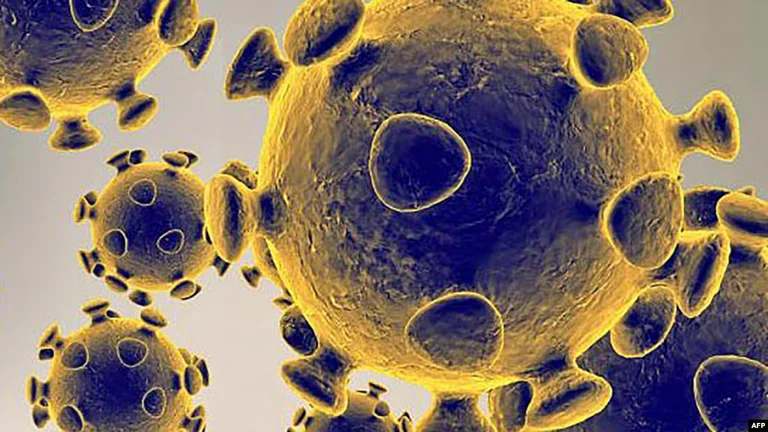
According to experts when COVID-19 attacks, it turns the patient's cell into a “virus factory”. It begins with the surface of the cell, where the virus is attached to a protein that normally helps regulate patient blood pressure.
Without wanting, the cell puts the virus inside where “the attacker” unloads its load and stimulates it (cell) to produce more viruses.
The virus controls its own cells to make copies of its genetic code, producing more viruses, and disseminating entire microbes on the surface of the cell, which leads to the infection of more other cells.
The existing bar at the pharmacy may act to hit various parts of this “macinie”. Although they are not designed to be used as antiviral drugs, scientists hope that these drugs can provide help in an effort to address the increasing number of COVID-19 infections.
We don't have the luxury of a five-year programme for the discovery of medicine. We need something now”, says Warner Greene, physician and researcher at the “Gladstone” Institute of Virology and Immmology.
Research has focused on some drugs that are viewed as “candidated <x1 different potentials at the same time, such as cancer drugs, heart disease, an anti-Schizophrenia drug, and a treatment for Parkinson's disease. Currently, the chlorocine test is being conducted, an antimalarial drug.