34 minutes ago
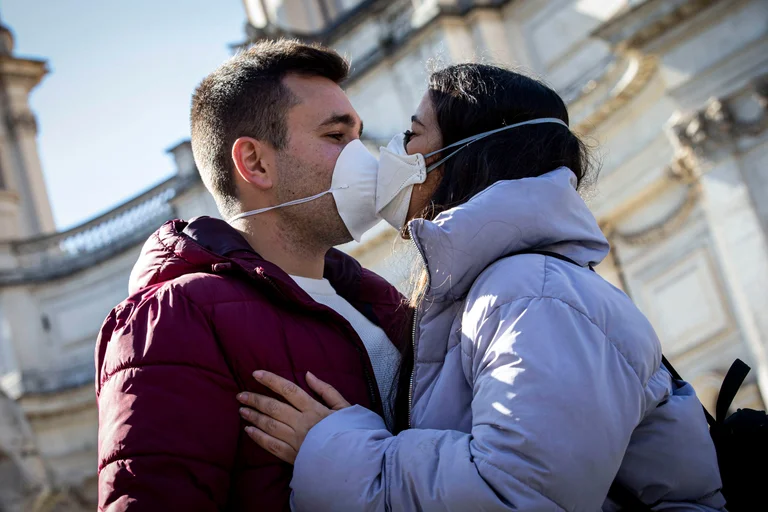
Is coronary transmitted through kisses and sexual relations?
Periskopi(6 years ago)
(6 years ago)What should you know about COVID-19 and sexual activity? For such questions you will answer in the following article Reuters reported that condom sales have been raised in China when the official name of COVIDA-19 was discovered for the globe-wide coronary. The condom sales are so high there, they [...]
What should you know about COVID-19 and sexual activity? For such questions, you will consider the following article
Reuters reported that condom sales have increased in China, when the official name COVID-19 was discovered for the world's global coronary. The condom sales are so high there, they are currently being listed as one of the most popular items purchased by electronic trade sites.
All of this leads to the next question: Can you contract the coronary from the sex? What about kisses? What about the mouth?
The short answer is that experts really don't know. “What we know so far is that COVID-19 is present in respiratory secretions,” says health specialist Christine Englund, writes health, broadcasts Klan Kosova
Breathing secretions include points coming from a person's mouth from coughing or sneezing. Because these secretions from an infected person can contain the virus, some countries (like France) are discouraging people to greet each other with a kiss on the page, The Washington Post reported.
But kissing a partner, of course, is much more intimate than kissing on the cheek. While it makes sense that kissing someone infected with COVID-19 could leave you infected, “at this point of time, we don't know these specific details,” Angelund.
What we know is that the Centers for Disease Control and Prevention (CDC) say that the virus can be spread by “the close context” with someone, with close contacts defined generally as within a person's six feet.
If you're kissing or having sex, well, you're good inside this border... and potentially at risk if your partner carries the virus.
Is the coronary present in other body fluids like vaginal secretions or sperm? It is also unknown at this time, says Dr. Angelund.
We really can't make any statements about security (sexual activity) when we don't have any data on it. ”
If you are concerned about staying healthy, then it makes sense to avoid kissing or physically drawing close to a partner who is showing symptoms of coronary, including flulike symptoms, coughing, sneezing, and fever.
We think the risk of transmission is greater when people are symptoms,” says Dr. Angelund. If you're concerned that your partner may be a host of coronarys, but you're not showing signs, it's better to postpone every sexual session until you're sure you don't carry COVID-19.