6 minutes ago
The tax died 100%, 2018-2020: It was the short life of Kosovo's first blow to Serbia
Periskopi(6 years ago)
(6 years ago)Republika Kosovo Prime Minister Albin Kurti today warned the suspension of a 100% tax on goods imported from Serbia. Periscopi brings some of the moments of short life to the first blow Kosovo gave Serbia. It was November 2018 when Kosovo imposed a 100 per cent tax on imported goods [...]
It was November 2018 when Kosovo imposed a 100 per cent tax on goods imported from Serbia. This was done after Kosovo's current leaders had felt frustrated with the current failure to join Interpol. Even in Dubai on that cold November was Hashim Thaci with dozens of Kosovo journalists, but with other politicians, thinking that Kosovo's membership in Interpol was a matter carried out.
This diplomatic victory by Serbia angered then Prime Minister Haradinaj and his government's chief major partner, Kadri Veselin.
Initially, a 10 per cent tax on goods imported from Serbia was decided to be imposed. But it had been Kadri Wessel who had demanded that it become 100 percent without any analysis of its benefits and consequences.
Kosovo imported goods worth nearly 500m euros from Serbia, while exporting to the hostile neighbouring country of only 48m, writes Periscopi.
The Tarifa reduced Serbian import to minimal value, which in 2019 reportedly was only about 3 million.
However, this raised other concerns about the local economy. And these concerns went beyond the stock or expensive bread for 10 cents. It was about increasing smuggling by Serbian goods, as well as camouflage of Serbian goods with flags of our neighbouring states.
But the political consequences came only a little later. Serbia flatly refused to sit at the table of talks with Serbia if Kosovo's first blow against it did not back off. It was only about 2 percent of Serbia's exports, which turned out to be tens of times larger.
This set up space for political gain. Haradinaj took the tax and tried through it to boost popularity. The cause of international pressure to lift taxes, Haradinaj resigned from the prime minister's position.
The tax had divided the then united opposition VV and LDK for the first time. The LDK flatly refused it, while the VV supported it and even called for additional measures, restoring the word for the first time.
In the October 6th elections, the opposition parties won precisely and the 100 per cent tax was expected to be lifted. But it will not be completely removed by April 1st, however, while Reciprocity is never expected to be decided, even though Kurti warned such a thing on June 15th.
During the tax period, Kosovo Serbs had also insisted on the humanitarian crisis, further damaging Kosovo's image. Furthermore, Serbia intensified its aggressive campaign against Kosovo, and so far reports that 18 countries of the world have recognised our country.
Meanwhile, the failure of young Prime Minister Kurti to keep his electoral promise to establish reciprocity before withdrawing the tax makes Kosovo appear even more inconsistent.
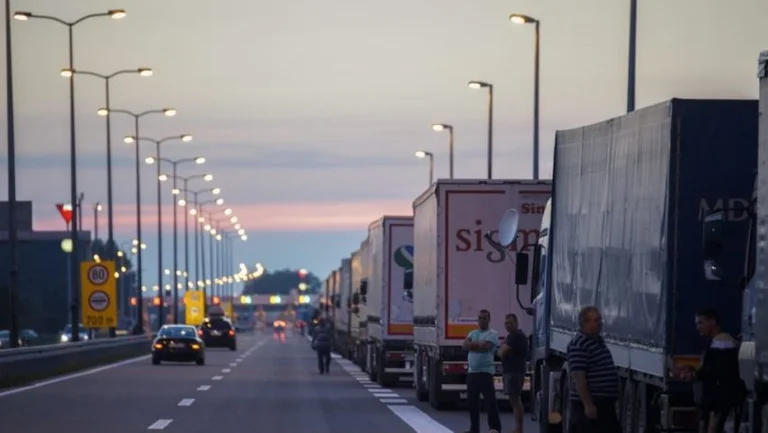
Kosovo producers need four days to transport goods to Serbia. Producers in Serbia need only 7 hours.”-the analyst Armen Muja stated, illustrating the damage caused by Kosovo exporters from Kosovo's non-tariff barriers.
Unfortunately, Kosovo after the introduction and removal of the first blow to Serbia is even more defigurated on the international level. /Periscopi