a day ago
Last study: A Health - Dangerous Meat
Periskopi(6 years ago)
(6 years ago)Consuming red and processed meat is linked to a higher chance of heart disease and death, a new study shows. According to a study in JAMA interdiscinna, consumption of two small red or processed meals per week is accompanied by a risk from [...]
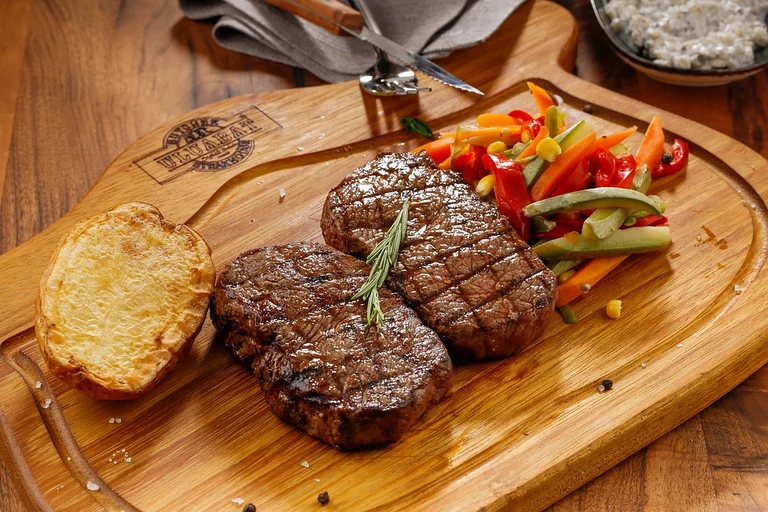
Consuming red and processed meat is linked to a higher chance of heart disease and death, a new study shows.
According to a survey in JAMA, the consumption of two small red or processed meat meals is accompanied by a risk of between three and seven percent of cardiovascular diseases, such as heart attacks and strokes, and a three - percent greater risk of death from all causes.
Two meals a week of bird meat are also accompanied by a higher risk of heart disease, but not general mortality, according to a study conducted by scientists at the Feinberg Medical School at North East University.
The authors of the study asked for more research on bird meat before recommunicating it, since the study did not analyze how poultry were prepared, for example, whether it was roasted or fried.
Fish consumption was not accompanied by negative health consequences.
The findings are in line with previous research linking meat to unfavourable health effects, but it may come as a surprise after a report published in the magazine ʹAnals of Medicine, which revealed that there was insufficient evidence to recommend that people reduce the consumption of meat.
Norina Allen, an epidemiologist and pediatrician at the Norwegian University Medical School and the head of the study, points out that her report and study answer various questions.
Her study examined whether people who eat more meat are more likely to get sick and die as the October report analyzed available data to determine if there was convincing evidence that reducing meat consumption resulted in health benefits.
Allen says he hopes that people will consume moderately red meat and produce more fruits and vegetables and whole grains.
Nearly 30,000 men and women were part of the Northeast University study, which followed respondents from six different long-term surveys to 30 years.
Although the increase in risk of two meals a week is small, the risk increases as a person consumes more red meat, the study shows.
The study had certain limitations, the largest one based on the data of respondents in what they ate a month before the start of the study, and did not consider any changes in diet in the years after.
Those surveyed were attended on average for 19 years. Allen points out that it is interesting that there is a significant relationship between the health of respondents and their death with what was their diet decades ago.