7 minutes ago
Marks of a Mystery Human Species Discovered
Periskopi(6 years ago)
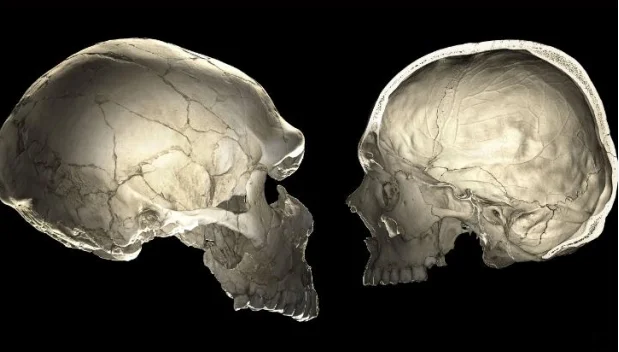
(6 years ago)The mysterious population of ancient people lived in West Africa half a million years ago, and scientists believe that their genes still live in people today. This “archaic ghost population” seems to have deviated from modern people before the Neanderthals were separated from the family tree, according to a study published in the magazine ʹScience [...]
This “archaic ghost population” appears to have deviated from modern people before the Neanderthals were separated from the family tree, according to a study published in the magazine Science Advances.
The division took place approximately 360,000 to 1 million years ago, according to California University researchers Los Angeles (UCLA).
These ancient people had children with the ancestors of modern Africans, just as Neanderthals reproduced with modern European ancestors, writes Arun Durvasula and Sriram Sankaraman.
The DNA of this archaic population makes up two to 19 percent of the genetic heritage of modern people in West Africa, they said.
Researchers at UCLA say that many studies have revealed the contribution of ancient lines to the origin of modern Africans, but that the nature of those contributions has remained poorly understood. This is partly due to the rare fossil record in Africa and the difficulty in extracting ancient DNA.
UCLA scientists have overcome these challenges in finding the tribe of “human spirits using modern DNA modeling techniques assisted by the computer.
They have created <x0dreta geonomy of archaic origin” for four Western African ethnic populations in Nigeria, Sierra Leone, and Gambia.
Researchers compared 405 genomes of people from West Africa to Neanderthal and denizron genes, and wondered whether they were mixed with unknown hominides whose ancestors separated from the human family tree before Neanderthals.