a day ago
International Epilepsy Day
Periskopi(6 years ago)
(6 years ago)International Epilepsy Day is a special event that promotes awareness of epilepsy in more than 120 countries each year. Each year, on the second Monday of February, people join together to celebrate and highlight the problems faced by people with epileplepsy, their families, and their stewards. It is a day for [...]
International Epilepsy Day is a special event that promotes awareness of epilepsy in more than 120 countries each year.
Each year, on the second Monday of February, people join together to celebrate and highlight the problems faced by people with epileplepsy, their families, and their stewards.
This is a day for everyone, no matter where you are, no matter how small your group or large your area is, regardless of whether you focus on the medical or social aspects of the disease.
This day's mark is held at the joint initiative by the International Bureau for Epilepsy (IBE) and the International Anti-Epipsis Link (ILAE).
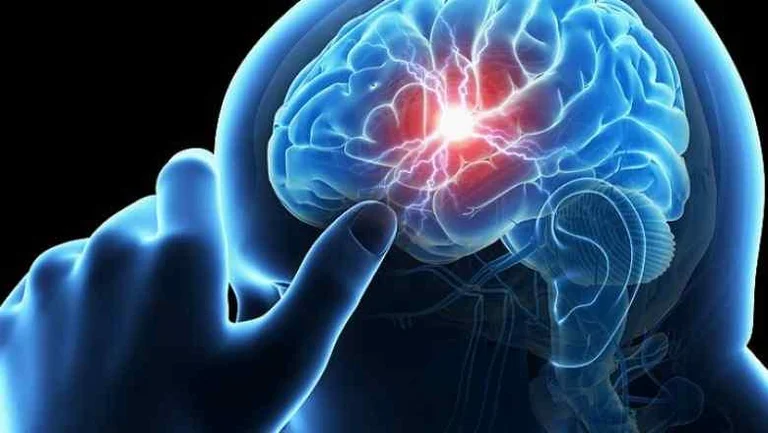
Epilepsia is a disease with at least two seizures that are caused for no reason.
Crisiss can cause problems in muscle control, movement, speech, appearance, or consciousness - crises that usually do not last long but may be frightening.
There are a number of factors that can provoke disease, such as fever, headaches, infections, insomnia. Epilepsy can appear at any age.
Epilepsy is often caused by fetal brain malformation. Growing prenatal care and developing medical technology allow these injuries to be identified before the baby is born.
Hence, it is advisable for pregnant women to undergo periodic checkups so that the fetus' problems can be identified at the right time and necessary measures are taken.
Otherwise, in the world more than 50 million people are affected, which makes it an important problem in public health, while in Kosovo there are no accurate figures of how many people are affected by this disease.