11 minutes ago
EU sceptical states obstacle to visa liberalisation
Periskopi(6 years ago)
(6 years ago)The new methodology for membership in the European Union is seen as curbing Western Balkan countries' enlargement and membership in the EU, but not even the obstacle to visa liberalisation for Kosovo. This methodology, adopted on February 5th (2020), aims to restore the reliable European perspective for Balkan countries [...]
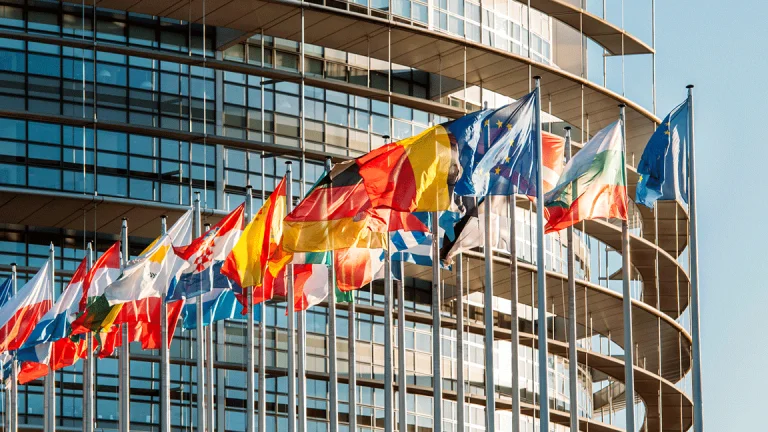
The new methodology for membership in the European Union is seen as curbing Western Balkan countries' enlargement and membership in the EU, but not even the obstacle to visa liberalisation for Kosovo.
This methodology, which was adopted on February 5th (2020), aims to restore the reliable European perspective for Western Balkan countries.
Members of civil society in Kosovo estimate that the same cannot affect the visa liberalisation process for Kosovo citizens as far as scepticism can affect some EU member states, such as France and Holland, which have not agreed so far to introduce the visa liberalisation issue for Kosovo citizens.
Arbresha Loja, director of the European Commission's new methodology for Jury and Political Studies (GLPS), tells Radio Free Europe that Kosovo has already met the conditions required for liberalisation and that the new methodology of the European Commission cannot affect this process.
What remains of Kosovo institutions according to it is fighting organised crime and corruption.
Kosovo, according to the European Commission and the European Parliament, is considered to have fulfilled all the criteria in the past, despite the fact that work has yet to be done in fighting corruption and organised crime, especially high profile ones. But, it remains to convince skeptical countries, which have so far prevented visa liberalisation, so visa liberalisation occurs”, Loxha says.
Visar Jamaica from the Democracy Institute for Development (D4D), says visa liberalisation is a separate process and is towards finalisation.
This process, more or less, is expected to only confirm member states and proceed further, because according to the European Commission, Kosovo has fulfilled all the criteria, and this will normally have no impact”, Jamaica says.
Jamaica tells Radio Free Europe that if the new government abolishes the 100 per cent fee set aside for goods originating from Serbia and Bosnia and Herzegovina, liberalisation could happen sooner. According to him, this would be a positive step and would affect EU policy making.
“Normically to be expected with positiveness if the tax is withdrawn because there is no more argument about why visa liberalisation should be analysed or even negotiations between Kosovo and Serbia”, Jamaica says.
As for dynamics and time, the director of the Group for Jury and Political Studies, Arebresa Loja, does not expect liberalisation to happen in the first half of this year.
“I don't expect this to happen at Croatia's presidency, but we can probably be more positive that this would happen at the presidency of Germans, who assume it after June when Croatia's presidency or leadership” ends, Loxha says.
The high representative of the European Union for Foreign Policy and Security, Joseph Borrell, who was visiting Pristina late last month, also spoke of visa liberalisation for Kosovo.
He said that “cannot guarantee anything because the decision is made by European Union member states”.
Until Kosovo President Hashim Thaci expressed disappointment with the European Union's lack of visa liberalisation decision for Kosovo citizens, saying that “Kosovo is unjustly ignored, as Kosovo has met all the criteria needed for visa liberalisation”.
For three years in a row, visa liberalisation for Kosovo was conditioned by the EU with ratification of the demarcation agreement between Kosovo and Montenegro.
But even though Kosovo's Assembly -- though it was three years late -- managed to ratify the demarcation, the EU later failed to reach the internal consensus to abolish visas for Kosovo citizens.