14 hours ago
Why are the fifth and tenth days more important to people with COVID-19?
Periskopi(6 years ago)
(6 years ago)The list of coronary symptoms is quite long, but people with typical symptoms become sick in the early days of infection. Early days of infection may be quite confusing, especially since some have only mild symptoms and some do not show symptoms. However, only between the fifth and tenth days [...]
Early days of infection may be quite confusing, especially since some have only mild symptoms and some do not show symptoms. However, only between the fifth and tenth days of infection can the real severity of the disease be determined.
Experts claim that it is during this period that can be determined whether the patient will experience any complications because of COVID-19. When a person is diagnosed with this disease, one of the first things to do is to seek symptoms and the number of days when the person has had symptoms.
Most people start developing symptoms two or three days after the virus has been added to the body. The first phase is usually a viral reaction, and in the second phase, the immune system starts operating.
Although the immune system produces antibodies, it can stimulate the system and exacerbate the patient's condition, which usually occurs about the sixth or seventh day of infection.
This is when the real battle against COVID-19 starts with a lot of people. Between the fifth and tenth day, there may be a second “> ” of symptoms that may be more serious.
Greater complications and worsening symptoms occur more frequently in people who already have certain pre-servative or elderly medical conditions. In some cases, youths who may experience complications may note a deterioration of symptoms after 12-14 days.
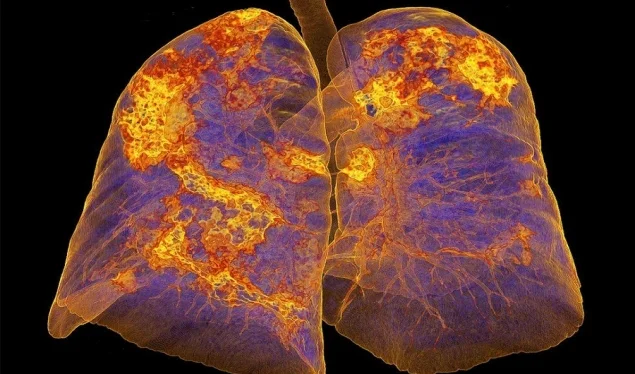
Although symptoms such as body pain, fatigue, fatigue, and cough can continue for a long time, patients can expect a deterioration of respiratory symptoms, chest pain, embarrassment, weight. Symptoms such as confusion and smell may also be present.
If the temperature does not decrease on the 9th or 10th day of infection, this may indicate pneumonia or a blood infection. If you are in isolation at home, contact your doctor who will explain when it is time to go to the hospital and what you should pay attention to, E-Times writes.