4 months ago
German ambassador talks about liberalisation, applicants' expectations for labour visas, recognition of patent partners
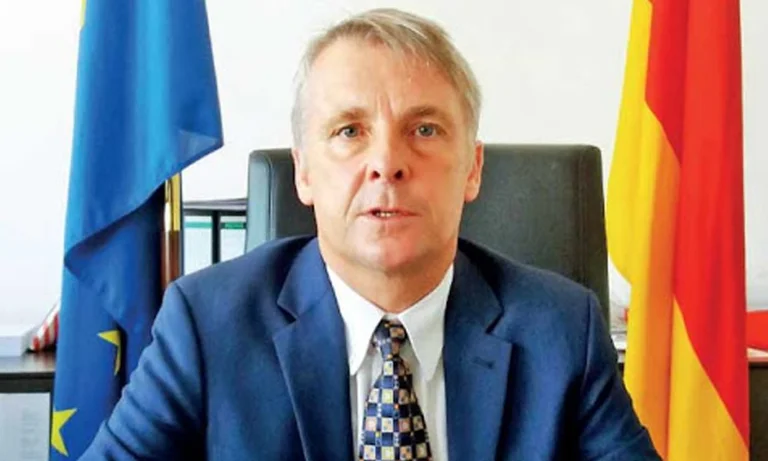
Periskopi(6 years ago)
(6 years ago)German Ambassador to Kosovo Joern Rohde has spoken exclusively about Indexline. Rohde has also answered in the dilemma of thousands of Kosovars whether there will be visa liberalisation for Kosovo. One of the great dilemmas of thousands of Kosovars is the issue and expectations of working visas how interested Germans are to invest in [...]
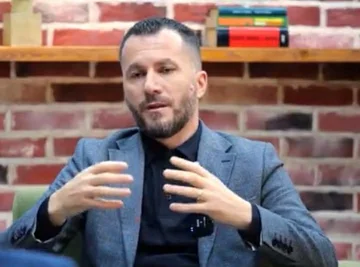
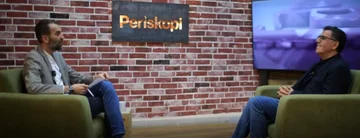
German Ambassador to Kosovo Joern Rohde has spoken exclusively about Indexline. Rohde has also answered in the dilemma of thousands of Kosovars whether there will be visa liberalisation for Kosovo.
One of the major dilemmas of thousands of Kosovars is the issue and expectations for working visas how interested Germans are to invest in Kosovo and the process of recognising Kosovo's patent partners from Germany.
Indexline: What is the role of Germany and the EU in the Western Balkans in the future? How long will Bundesehri stay in Kosovo? How many soldiers do you have here and how many German officials work within EULEX?
Ambassador Rohde: Together with the EU and its member states, we support the Western Balkan states on their way to the EU. I just want to mention here the latest investment plan presented by the EU Commission, worth 9 billion euros for Western Balkan states, 8 billion of which have been donated in the form of subsidies, as well as many prominent projects. Germany is and remains here especially engaged. The latest example to prove this is the Sofia Summit under the Berlin Process, which supports the economic and social integration of Western Balkan countries. Especially close are our relations with Kosovo, where we for years under KFOR and EULEX support stability, security and the construction of legal state structures.
Indexline: The economic situation in Kosovo is even more serious. What do German investors need to invest in Kosovo? And is there a German investor interested in investing here?
Ambassador Rohde: Germany was the biggest investor in Kosovo in 2019 and in the first quarter of 2020. But investments can be much more positive, because there is potential for that. Think here only in the great diaspora in Germany, Switzerland, or Germany. Investors need convenient framework conditions. This is part of the secure legal environment and consistent fighting of corruption, transparency during tendering, etc. In this respect, the Commission in its latest progress report, despite progress in some areas, has found further serious shortcomings. While no substantial improvements will be made here, the greatest potential for more investments unfortunately remains untapped.
Indexline: How do you see the visa liberalisation process for Kosovo? What criteria must be met, according to you, so that Kosovars can travel visa-free to Schengen's space states?
Ambassador Rohde: Of course, I already know the most important goal of Kosovo citizens and its economy to travel soon without visas in Schengen's space. I can understand the frustration of the population. The Commission (European) in 2018 has found that Kosovo has met all criteria. Not all member states are fully convinced. As German Federal Foreign Minister Maas stressed recently, Germany supports visa liberalisation for Kosovo. On the basis of all the existing reports, Kosovo has fulfilled all the criteria for this, so this is the position we support even within the European Union Council presidency.
Indexline: Can there be a visa liberalisation for Kosovo during the German presidency of the European Union Council?
Ambassador Rohde: We're working on it and of course we talk to our EU partners. We, both as the Federal Government and further, will engage and ask EU member states for visa liberalisation for Kosovo to become a reality. But here it is important to note that we have to work together to convince together skeptics, who unfortunately still exist. Clearly, this is possible to do first of all with good arguments in the form of tangible progress in relevant areas, by strengthening the fight against corruption, fighting organised crime, and further steps towards strengthening rule of law. All of these are key preconditions for Kosovo's further development. The progress evident from our point of view is the best argument for convincing skeptics.
Indexline: Thousands of Kosovars have received employment contracts in Germany. But visa applicants in Pristina have to wait for a long time until visas are issued. Why is that? Are the visa procedures expected to change or accelerate at your embassy's visa office so that Kosovars do not wait long until a visa is put on their passports?
Ambassador Rohde: The German Embassy in Pristina last year has issued about 50,000 visas. This, even in comparison with the world, is an extremely high figure. Among these, more than 36,000 visas for short term stays are 15,000 visas for long-term stays (family, employment, study, etc.) Over the past few years, we have significantly increased visa processing capacities. But the demand further exceeds our capacities, and the waiting time is inevitable. Then in the case of national visas, we are dependent on the additional work of competent institutions in Germany.
Regarding the consequences of the COVID pandemic, I mean that the embassy since July has again begun to accept visa requirements for long-term (national movement) categories for which travel restrictions are not worth it, or are no longer worth it. Applications for start-up employment under the Western Balkans Adjust can't currently be accepted. Due to essential health and hygienic measures related to pandemic, capacities at the visa office despite extending the time of admission of demands by evening hours have also been reduced.
EU travel restrictions are regularly considered depending on the COVID situation in the EU and countries of origin. When they are changed depends on the further flow of the pandemic in these countries. The German Embassy here is one of the 20 largest German embassies worldwide, and this primarily refers to the size of the visa office and high visa demand, even though Kosovo is a relatively small country.
Indexline: When is the embassy designed to start work with the applicants?
Ambassador Rohde: We are in a state of emergency because of pandemic. That's why I can't be declared. We ourselves do not know how the pandemic will develop any further. I stressed that travel restrictions are regularly examined depending on the state of pandemic, and all of this depends entirely on the course of further information it receives.
Indexline: What are the skeptical states in the process of visa liberalisation? France, Holland, Denmark?
Ambassador Rohde: So have I.
Indexline: Recognition of Kosovo patents in the state of Germany has been media issue here. Did something move in this direction from the German state?
Ambassador Rohde: As far as I have information, there are several technical issues that our institutions have addressed to Kosovo institutions. /