11 hours ago
Why do some people need a long time to get back from COVID-19?
Periskopi(6 years ago)
(6 years ago)People infected with the SARS-CoV-2 virus and develop COVID-19, on average, can recover after two weeks of first exposure to symptoms for some of the most serious cases of COVID-19, doctors say that healing the infected can last up to six weeks. However, more and more people are saying [...]
For some of the worst cases of COVID-19, doctors say that healing the infected can last up to six weeks.
Still, more and more people are saying that they continue to have symptoms for weeks or months after they thought they were cured.
This phenomenon is so widespread that it is now named “CO VID length”
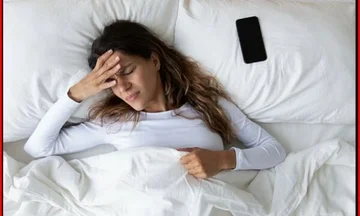
There is no medical definition or list of the same symptoms for all patients, two people with the-19 long COVID may have very different experiences, but the most common form of the virus is general fatigue and sluggishness.
Other symptoms include panting, constant coughing, joint pain, muscle cramps, hearing and sight problems, headaches, loss of taste and smell, and heart injury, lungs, kidneys and intestines.
The long - term symptoms of COVID-19 also result in mental problems involving depression, anxiety, and a lack of clear thinking. Lately, a term that is often being used for lack of clarity of mind is “the fog in the brain”.
The long - term COVID category does not include only people who need time to recover from intensive care. Even people with relatively mild infections can remain with permanent and serious health problems.
We have no doubt that the long-term COVID exists”, Professor David Strain of Exeter University told him, BBC-of who's already taking patients with long-term symptoms of COVID-19 into his clinic, which comes mainly with chronic fatigue syndrome.
Researchers and doctors at clinics have not yet agreed on the appointment of these long symptoms. Literature includes post “ndrome - CO VID” and “CO VID-19 Chronic” Researchers, groups of patients and those affected are now increasingly using the term “CO VID length”.
They also call for establishing recovery by COVIDD-19 to be based on criteria not only related to a negative test of COVID-19.
Reaching the agreement on the right terminology for the long-term state of COVID-19 is essential, says Felicity Callard of the University of Glasgow in the United Kingdom for the magazine Nature, which is also affected by COVID for a long time.
Callard is one of a group of researchers who have passed the experience of long COVID and who created one blog for British Medical Journal, calling on research and medical communities to start using the term “CO VID length” instead of some alternative names.
Blog authors claim that words such as <x0post”, “ndrome” and “kronic” delegate suffering, which makes it difficult for people to be provided with necessary care, writes Free Europe.
“CO VID was used for the first time on Twitter as a hashtag by Alice Perego in May of this year to describe her experience of a multiphale state, time-changing cycle, and symptoms from the two-way discussed in early scientific works, which focused on hospitalization of patients.
Just three months later, after an intensive suspension by patients worldwide, this term invented by patients was used by powerful acts, including the World Health Organization (OBSH).
The World Health Organization is closely following the development of long-term COVID issues. Researchers and funding agencies must also take into account more urgently the definition of recovery by COVID-19 and whether to approve the term Long-term COVIED and put the patient's voice in the center of the process.
Many of these patients say that the long - term disease seriously affects their lives, often leaving them incapable of work and everyday life.
Even worse, when they often receive little or no support from health - care professionals who are either confused by the stable symptoms of their patients and do not know how to ease or completely reject the phenomenon.
Patients were organized into informal support groups that appeared on the Internet, such as Long COVID SOS.