4 months ago
Is Kosovo expecting a new wave of pandemic?

Periskopi(6 years ago)
(6 years ago)Kosovo is currently among the countries of Europe with a small number of infected people with the new coronary, which causes COVIDD-19. So said Lul Raka, microbiologist at the National Institute of Public Health in an interview given Radio Free Europe. According to him, Kosovo has passed the second wave [...]
Kosovo is currently among the countries of Europe with a small number of infected people with the new coronary, which causes COVIDD-19.
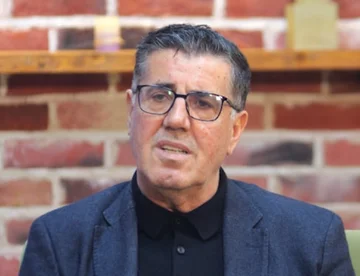
So said Lul Raka, microbiologist at the National Institute of Public Health in an interview given Radio Free Europe.
According to him, Kosovo has passed its second wave during July and August, where the number of infected and deaths from this disease has scored record numbers.
Meanwhile, with weather cooling and the gathering of people in closed environments, Raka said that it is very important to maintain distance, masks, and personal hygiene so that we do not have an increase in the number of cases of coronary infected.
Radio Free Europe: Mr. Raka, what is your assessment of the current Kosovo pandemic situation?
Lul Raka: Currently, Kosovo is among the seven European states with the smallest number of cases recorded in the last two weeks. So we're with the lowest number of infected people in 100,000.
This epidemiological situation at the moment is very good news at the time we entered the winter season, since the beginning of October, and we have other challenges to face.
Radio Free Europe : In many European countries there is already an increase in the number of infected people with COVID-19, while Kosovo is marking the decline in the number of infected, but also in death. How do you explain this fact?
Lul Raka: Two factors that have been and are determining the epidemiological situation have been contributing to the decline in the past two weeks. First of all, individual behavior, population enforcement.
We saw that last month this implementation has seen significant growth. We've seen people wearing street masks, distance and hand hygiene, which is one of three preventative factors. Meanwhile, another factor directly affecting this general structure of epidemiology is inspection by state authorities.
The moment the population simultaneously implements the measures, but there are also strict inspections from the Inspectorate, municipal and central level, as well as from the police, we have seen that the number of infected people has declined and the epidemiological situation is very favourable.
It also contributes to the fact that health capacities will have sufficient time to prepare for the increased number of cases such as providing enough staff, which through World Bank investments will have new staff numbers already recruited and will begin work next week.
Ensure enough tests and that Kosovo will be able to better forward the epidemiological situation on the ground by identifying them over time and tracking cases and isolated those who are positive COVID.