10 minutes ago
European Day Against Trafficking in Human Beings
Periskopi(6 years ago)
(6 years ago)This day serves to bring to the attention of localers, civil society, agencies or various institutions the phenomenon of trafficking in persons, which has affected the world. Some 27 million people (women, cattle, and children) are trafficked annually. Trafficking in persons means “rescription, transportation, transfer, hiding or waiting for persons through threat, use [...]
This day serves to bring to the attention of localers, civil society, agencies or various institutions the phenomenon of trafficking in persons, which has affected the world. Some 27 million people (women, cattle, and children) are trafficked annually.
Trafficking in persons means <x0). Rescription, transportation, transfer, hiding or waiting for persons through threat, using force and other forms of tribulation, fraud, forcedness, deceit, or abuse of power, or giving or receiving payment or benefits to achieve the consent of a person who controls another person for exploitation purposes.
Worldwide, 23% of human trafficking victims are girls and teenagers.
In the European Union, the most common form of reported trafficking is that of sexual exploitation, a form of gender-based violence that disproportionally affects women and girls representing 95% of registered victims.
According to the latest world report on trafficking in human beings, many countries have reported an increase in trafficking victims in recent years, as well as improved procedures for identifying victims and traffickers, as well as a possible increase in in genocide.
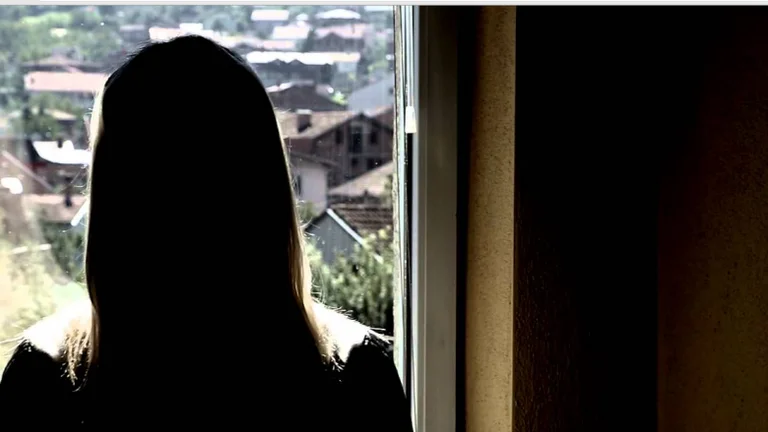
Women and girls involved in sexual trafficking suffer violence and abuse, including the deprivation of personal freedom, economic, physical, and sexual violence that leads to serious and sometimes life - threatening consequences.