11 hours ago
Avoid sterilizing baby bottles with hot water
Periskopi(6 years ago)
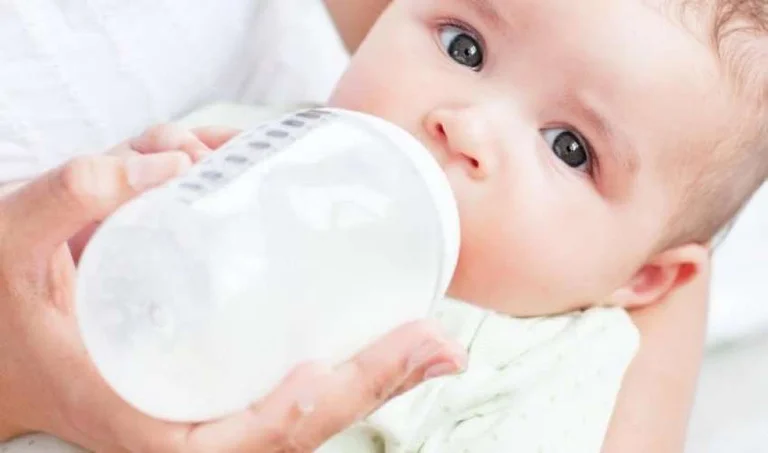
(6 years ago)High levels of tiny plastic pieces known as microplastics are released by baby food bottles during consumption, according to a new study. Warm liquids or water used to sterilize bottles leads to a greater release of plastic fragments, reports “Independent” There is evidence that humans can [...]
High levels of tiny plastic pieces known as microplastics are released by baby food bottles during consumption, according to a new study.
Warm liquids or water used to sterilize bottles leads to a greater release of plastic fragments, reports “Independent”
There is evidence that humans can consume microplastics through the food chain because of the vast amount of plastic pollution in the ocean.
However, the study notes that direct release of microplastics from plastic products in everyday use is still under investigation.
Research by college scientists “Trinity” in Dublin has issued several recommendations for preparing plastic bottles to minimize microplastic leaks.
Professor John Boland, from the Kim School of “Trinity” which was part of the study, said: “We have found that it is possible to ease the risk of microplastic consumption by changing practices about sterilization and preparation of formula”, broadcast the news.net.
The study concluded that:
Baby bottles made of polypropylin can release up to 16 million microplastics per liter.
Hot - water deforestation increases microplastic release from 1.6 million to 55 million tons per litre when temperatures rise from 25C to 95C.
The average daily exposure rate for babies is more than 1 million microplastics, North America and Europe, which have the highest rates of possible exposure.
The study also recommended ways to sterilise and prepare:
Prepare sterilized water by boiling it in a glass or steel container. Remove the bottle using sterilized water at room temperature at least three times.
Prepare baby food in a non-plastic container.
Invite to room temperature and transfer food prepared in a high - quality plastic bottle to feed infants.