a day ago
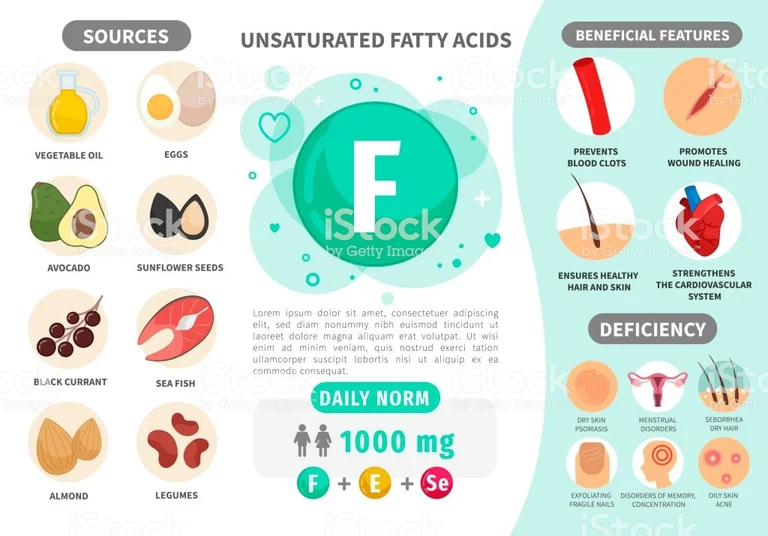
What should you know about vitamin F?
Periskopi(6 years ago)
(6 years ago)Vitamin F is not traditional vitamin. On the contrary, vitamin F is a term for two fats... Alfa-linenic acid (ALA) and linoleic acid (LA). They are essential for regular body functions, including aspects of brain and heart health. ALA is a member of the Omega-3 fat family, while LA [...]
Vitamin F is not traditional vitamin.
On the contrary, vitamin F is a term for two fats... Alfa-linenic acid (ALA) and linoleic acid (LA). They are essential for regular body functions, including aspects of brain and heart health.
ALA is a member of the Omega-3 fat family, and LA belongs to the omega-6 family. The common sources of both fats include vegetable oils, nuts, and seeds.
They were discovered in the 1920 ' s when scientists discovered that lean diets had harmful effects on rats. Initially, scientists suspected that rats were missing from a new vitamin they called F-and later found to be about ALA and LA.
Main functions of vitamin F in your body
Both types of fats containing FʹALA and LA are classified as essential fatty acids - they are necessary for health. Since your body is unable to produce these fats, you have to take them through diet.
ALA and LA play the following crucial roles in the body:
- They serve as a source of calories. Both oil and Ala and La provide 9 calories per gram.
- They protect the structure of cells. Not only do these two fats but other fats also provide structure and flexibility for all cells in your body by being a major component of their outer layer.
- It helps grow and develop the body. ALA plays an important role in normal growth, vision, and brain development.
- Conversion to other fats. Your body also converts alpha-lineic acid and linoleic acid into other fats necessary for health.
- It helps with the flares. ALLA and LA are used to make signals that help regulate blood pressure, blood clots, immune responses, and other primary body functions.
The lack of vitamin F is rare. The lack of two ALA and LA fats can lead to various symptoms, such as skin drying, hair loss, slow wound healing, poor child growth, brain problems and vision, and so on.
Possible health benefits
According to the study, fats that make up vitamin F ( ALA and LA can offer some unique health benefits.
Alfa-lineic acid health benefits
ALA is the leading fat in the Omega-3 family, a group of fats thought to have many health benefits. In the human body, ALA is transformed into useful fatty omega-3 acids, including eikosapentanenoic acid (EPA) and dokoseksaenoic acid (DHA).
- Lower inflammation. An increase in consumption of omega-3 fats like ALA has been associated with lowering inflammation on knots, leaving digestive, lung and brain.
- It improves heart health. The increase in ALA consumption in your diet can help reduce the risk of heart disease.
- It helps grow and develop. Pregnant women need 1.4 grams ALA a day to support fetal growth and development.
- It protects mental health. More research is needed, but some studies suggest that regular consumption of omega-3 fats can help improve symptoms of depression and anxiety
Medicine acid health benefits
linoleic acid (LA) is a primary fat in the omega-6 family. Both ALA and LA are turned into other fats in your body.
It offers many potential health benefits when moderated, especially when used instead of less healthy fats:
- It can reduce the risk of heart disease. In a study of more than 300,000 adults, L.A.'s consumption was accompanied by a 21% drop in risk of death over heart disease.
- It can reduce the risk of diabetes type 2. A study of more than 200,000 people found that LA was linked to a reduced 14% risk of type 2 diabetes when consumed instead of full fat.
- It can improve blood sugar control. Some studies suggest that LA can help control blood sugar when consumed instead of full fats, writes the articles.al, broadcasts the Klan Kosova.