21 hours ago
Study: Why city buildings cause headaches
Periskopi(6 years ago)
(6 years ago)Believe it or not, but city buildings can cause you headaches! Arnold J Wilkins, professor of psychology at the University of Essex, told CNN how urban landscapes affect our brain over thousands of years, man's brain evolved by effectively processing natural scenes. But <x0)
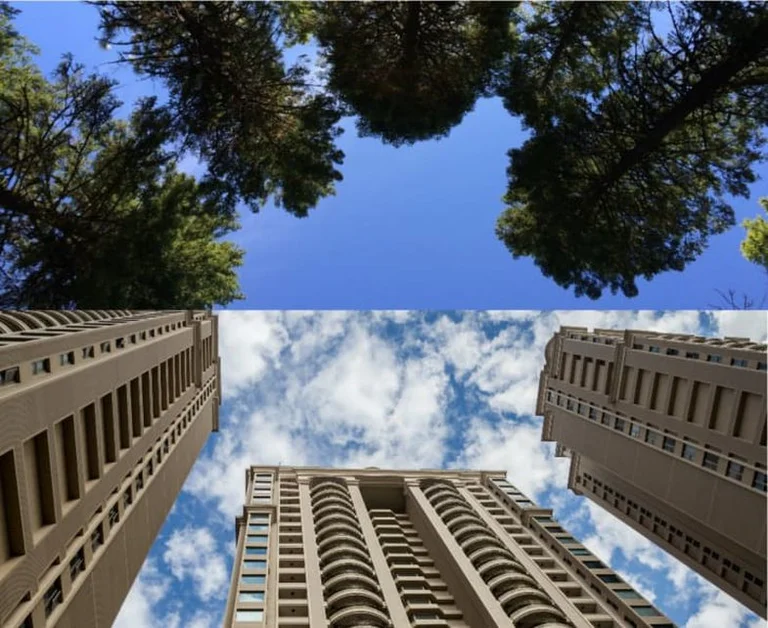
Over thousands of years, the human brain evolved by effectively processing the scenes of the natural world. But “Jugla” urban presents a challenge for the brain because of its repeated patterns.
Urban scenes disrupt the rule of nature: they tend to show repeated models, due to the common use of the same design features (such as windows, stairs, kandangelas). Such regular designs are rarely the state of nature.
Because these repeated models of urban architecture spoil the rule of nature, it's hard for the brain to process. Since they are not easy to process, they are even less suitable to see. So even striped surfaces or electric ladders can cause headaches or seizures.
To better study the occasion, simple computer models were built to measure the activity of nerve cells at the moment we see images of nature and images of urban architecture. Models were built by professors from University of Essex, University of Lincoln, and University of St. Andrews.
After a random study, professors managed to measure the activity of brain cells. They said that when urban landscapes were seen, the activity of nerve cells increased. In other words, such images take more time for the brain to process.
The research also concluded that in the last 100 years, design has become less and less comfortable to see.
Another way to study the impact urban buildings have on the brain is to use oxygen. Through infrared observation, researchers concluded that when people see images avoiding nature, oxygen use in the brain increases.
As long as headaches tend to be caused by overuse of oxygen, this explains why some designs give us headaches.
Migraine sufferers are more sensitive to repeated building models. Many who face migraine pains find it impossible to work in offices.