2 minutes ago
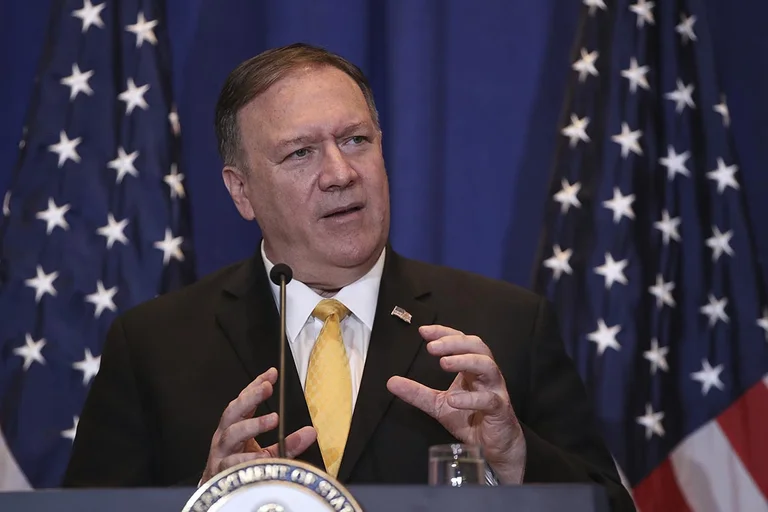
Pompeii: We had proof of the danger Qasem Soleman posed
Periskopi(6 years ago)
(6 years ago)US Secretary of State Mike Pompeo firmly defended the decision to attack and kill Iranian General Qasem Solejmani, but he refused to offer publicly any evidence supporting the American claim that the Iranian general posed a threat to American forces and officials in the Middle East. Mr. Pompeii said [...]
Mr. Pompeii said about the television network. ABC that senior officials who had access to intelligence information prior to the Solejman attack had no “doubt of” on the necessity of his murder.
“The assessment of intelligence services made it clear that the lack of an action, which would allow Solejman to continue with his plots and plans or terrorist campaigns, would create more danger than the action we took last week.“, the senior American diplomat said. “We lowered the risk”, he added.
But Mr. Pompeo sometimes refused to offer evidence about the threat that the United States believed Soliman presented.
“There are things we cannot make public“, Mr. Pompeo said about the Fox News television network. “We must protect the sources that offer us information“.
During an interview for CNN, Mr. Pompeo said that American officials will continue to publish information about the American attack with fear, but “By protecting resources and methods of detection and what is most important, the American ability to see what threats are presented next. We would never want to risk our ability to collect information“.
“War” of threats between Washington and Tehran, following Soleiman's murder, has not died down.
During a tweet post Saturday US President Donald Trump wrote that: “52 Iranian objects have been identified, some of which is extremely important including Iranian cultural objects” that the U.S. would hit very quickly and strongly if Iran attacked American personnel or objects in retaliation for the murder of Solejmani“.
Number 52, representing American hostages taken from Iran in 1979 who were held hostage for 444 days.
According to the Geneva conventions that define the legal restrictions for war, the attack on cultural objects of another country is a war crime. But Mr. Pompeo, who did not criticise President Trump's Twitter comment, told ABC that:
“Any target we strike will be a legitimate target, and actions will be drafted on a single mission, that of protecting the American people”.
Iranian Supreme Leader Ayatolah Ali Khamenei has indicated that Tehran's “act will be tough”. His top military adviser, Brigadier General Hosseyin Dehghan, told CNN that “the answer would certainly be military and against military objects”.
Iranian Foreign Ministry spokesman Abbas Mousavi said at a press conference that “Iran is not seeking war, but is ready for any situation”. He said that the final decision on Tehran's response following Solejman's assassination will be taken by the country's “leadership “.
Abbas Mousavi added that Iran will try for an answer that will do as he put it to the <x0 enemy to repent of the killing of Solejman, but not to bring the Iranian nation to war”.