7 minutes ago
National Public Health Institute Alarms Air Pollution Level
Periskopi(6 years ago)
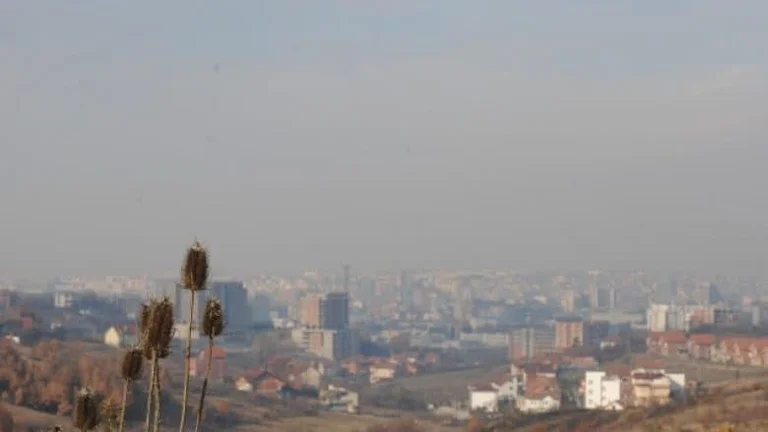
(6 years ago)The National Institute of Public Health has informed about the causes of air pollution that can threaten health. In the winter season, the city of Pristina is sinking into smog that represents combined air pollution with gas and aerosol, which is widely seen. PM2.5 values during winter are expected to be some [...]
The National Institute of Public Health has informed about the causes of air pollution that can threaten health.
In the winter season, the city of Pristina is sinking into smog that represents combined air pollution with gas and aerosol, which is widely seen.
PM2.5 values during winter are expected to be several times above normal values, the IKSHP points out, Periscopi conveys.
“The short-term effects of aerondotes by parties according to many data lead to increasing the number of patients with bronquial asthma, chronic bronze, chronic lung obstructive diseases to prolonged ages, increased hospital admissions from cardiovascular and respiratory diseases, cancer, life cuts, and an increase in the mortality rate of <x1, notes IKSHP.
The IKSHP points out how potentially well-known sources are electric power plants, the use of heating in winter season, outdated vehicles and heavy traffic, fuel burning and solid fuels, burning waste, use of pesticides, lack of sufficient green surfaces, no cleaning of roads, construction throughout the year without plan of urban goods, presence of dust in the city.
This disturbing situation will weigh even more on cold days and falls in temperatures that would make air pollution more difficult as a result of heating with various harmful and nonquial fuels that citizens are using.
Analyzing the current situation and predicting that we will face the same state of air pollution this year,
National Institute, proposes the following:
- Strategic measures:
1. It is urgent to compile an action plan for improving air quality, especially in the capital.
- Adoption and transmission of air legislation in line with EU directives and WHO standards.
- Implementation of national programmes and joint projects for the field of airport.
- Specific measures:
- Emergencyly remove old cars and cars without catalysts.
- Environmental inspectors make rigorous control of fuel quality and the consumption of fossil fuels used for citizen heating.
- Enhancing the number of buses with ecological fuel in public transport.
- Enhancing green surfaces in urban areas.
- Measurement of contamination at key points in Kosovo and daily presentation of online results.
C. Individual measures (healthal events for population) when air has high levels of pollution
- To reduce city exits and to polluted air spots, especially in the morning and evening, and especially people with chronic cardiovascular and respiratory diseases, children and pregnant ones;
- Stay at home, and don't open the windows for the ventilation of the rooms until the high wicks are long.
- Those who are imminent need to go out on their activities outside the home to use protective masks, cover their mouth and nose with scarfs.
- To reduce smoking abroad where there is human circulation, and necessarily the ban on smoking within residential spaces, employment, schools and hospitals.
- Groups of endangered populations such as chronic pulmonary, heart, asthmatic and allergic patients, elderly, young children, pregnant women are recommended to spend more time in areas with lower levels of pollutants, such as mountains and healthy resorts.
National Institute experts warn and alarm that if emergency measures are not taken, there will be negative effects on health damage and increased mortality from all causes, especially cardiovascular and respiratory diseases, it will be disturbing.