2 days ago
Can a mouth hygienic mask stop the spread of viruses?
Periskopi(6 years ago)
(6 years ago)One of the consistent images of any outbreak of the virus is people in surgical masks. Their use to prevent infection is popular in many parts of the world, especially China during the current coronary explosion, where people place it to protect against high levels of pollution. Virologists are skeptical about [...]
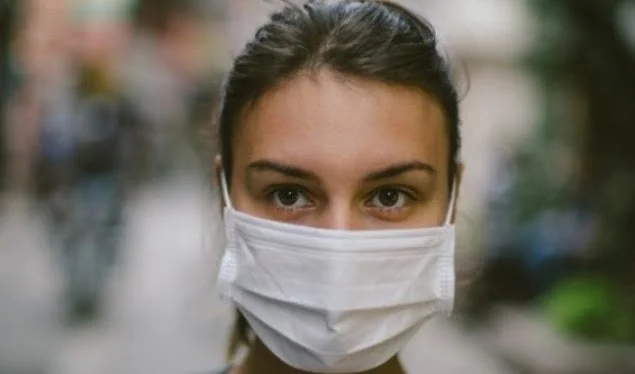
One of the consistent images of any outbreak of the virus is people in surgical masks.
Their use to prevent infection is popular in many parts of the world, especially China during the current coronary explosion, where people place it to protect against high levels of pollution.
Virologists are skeptical about their effectiveness against the viruses that come from the air.
But there is evidence that masks can help prevent hand - to - hand transmissions.
The surgical mask was first introduced to hospitals at the end of the 18th century, but they did not make the transition public use until the outbreak of the Spanish flu in 1919 that continued to kill over 50 million people.
Coronavirus: How disturbing should we be?
China's new virus: Warning against coverage as the number of cases is increasing.
Dr David Carrington, from St Georgeés, University of London, told the BBC News that <x0maska routine surgery for the public are not an effective defense against viruses or bacteria carried into the air because they are too loose and do not have air filters. Eyes are exposed.
But they can help reduce the risk of contracting a virus through “sequence” from the sneezing or coughing and provide a protection against hand - to - hand transmissions.
A 2016 New Study South Wales suggested that people touched their faces about 23 times an hour.
Jonathan Ball, professor of molecular virology at Nottingham University, said: “in a well-controlled study in a hospital environment, facial mask was effective to prevent flu infection.
However, when you go to studies seeing their effectiveness in the general population, the data is less compelling. It's very challenging to wear a mask for extended periods of time,” Prof Ball added.
Dr. Connor Bamford, of the Wellcome-Wolfson Institute for Experimental Medicine at Queen's University Belfast, said that “implementation of simple hygiene measures” was extremely effective.
“Your mouth detection during sneezing, washing of hands and not laying hands on your mouth before washing them can help limit the risk of catching any respiratory virus,” he said.
NHS says the best way to avoid catching viruses such as the flu is:
- Wash your hands regularly with hot water and soap.
- Ignore the touch of your eyes and nose when possible.
- Maintain a proper, healthy lifestyle.