10 minutes ago
100 per cent tax, import suffers decline
Periskopi(6 years ago)
(6 years ago)Kosovo continues to have negative trade balance in its report with its partners, however, after the 100 per cent tariff was set, data shows that in 2019 import has declined. So said the discussion table organised by the Kosovo Producers Club, which aims to discuss the effects of [...]
Kosovo continues to have negative trade balance in its report with its partners, however, after the 100 per cent tariff was set, data shows that in 2019 import has declined.
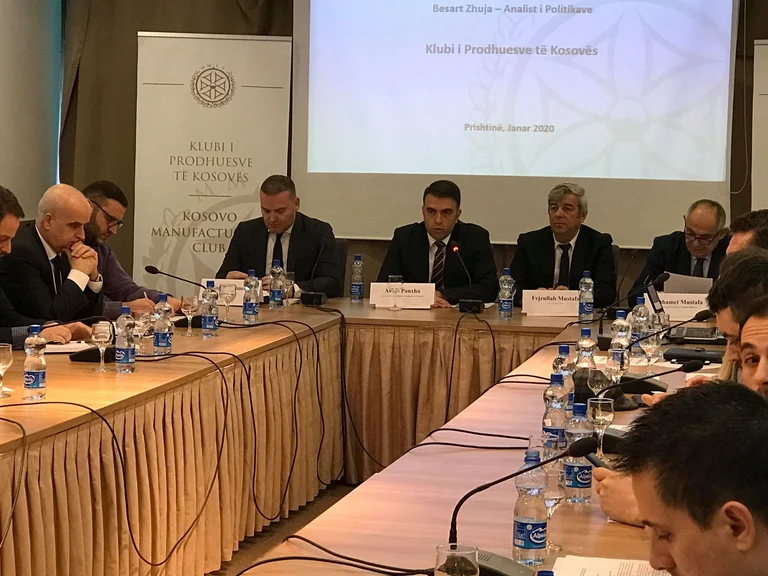
So it was said at the discussion table organised by the Kosovo Producers Club, which aims to discuss the effects of the 100 per cent customs fee on imports from Serbia and Bosnia to the Kosovo economy.
Kosovo Producers Club Executive Director Astrit Panja said he expressed in numbers, annual import growth from 2017 to 2018 was 11 per cent, while in 2019 the annual import growth was only 4 per cent, while exports have scored a 6 per cent increase during 2019.
For the first time since post-war import volume has seen a decline. During this period, the volume of import has seen a decline of 50 million tons. This decline could be interpreted with local production growth and lowering the demand for import”, Panja stressed.
He added that another indicator of the positive effect of the fee is the increasing number of employees in the production sector, as well as increased sale of local products.
He also said that there were no significant price hikes on products from safeguard clauses.
Panja also said that due to the tax deployment, the Serbian state has imposed blocking measures on Kosovo exports.
While Feyzullah Mustafa, owner of the company “Fluidi”, said the 100 per cent tax has had a positive effect on his company. “There has been an increase in production and sales for liquid products, but especially in food oil products. The tax effect has been on the rise of production, workers and investments, which has a positive effect on the state of Kosovo”, Fyzullahu said, adding taxes has also affected awareness of consumers. As well as Gojart Kelmendi, owner of the Flutra company, said the 100 per cent tax has had a positive effect on his company, but added that if it is removed the government should protect the manufacturer.
“in all parameters has increased in the paper sector. 25 per cent has increased employment and sales in our company”, Kelmendi said.
University Professor Muhamet Mustafa on this topic said that when the tax was imposed there would be a shortage of goods and the budget would suffer, but according to him, the opposite has occurred there has been a budget increase and these goods have been replaced by other states and some from the country.
However, there have also been tremendous expectations from the Government, but at the same time Kosovo has not been prepared because the effects of the tax would be even greater. The fact that employment has increased is good news”, Mustafa said. Former MP Mustafa said the fact that in 2017 and 2018 there were only 45m euros for investment in machinery, in 2019 the value of investment in machinery has reached 56m euros from local producers. Meanwhile, Turkey, Greece and Macedonia are the biggest beneficiaries of the 100 per cent tax as exporters towards Kosovo.