a minute ago
Winter approaching, this year no coal use throughout Kosovo

Periskopi(7 years ago)
(7 years ago)For several years Pristina citizens have been alarmed at the high degree of pollution in the capital, especially at the arrival of the winter season. For this reason, as it was this year, small businesses and families will not be able to use coal, since this substance is considered one of the main air pollutants. [...]
The ban on coal use is being made because of conservation so that the air is as clean as possible.
Thus, the Ministry of Environment and Spatial Planning (MMPH) has decided that even this year it will stop selling coal as fuel, but this time across Kosovo's entire territory, despite last year's ban on Pristina alone.
All illegal operators who will produce coals and try to sell it will be fined by MMPH.
This has been confirmed by MMPH spokesman Leutrim Sahiti, who said Prime Minister Fatmir Matoshi's decision to stop selling coal will be implemented throughout Kosovo's territory.
According to him, there will be no school coal this year, while search will be added by inspectors assigned to the field to stop selling and using in family economies.
The decision of Minister Matoshi has been to ban the sale of coal in Pristina and throughout the country. It is noteworthy here that the use of coal has also been banned in Pristina schools. Even this year, the same procedure will be applied and has been made due to the large number of coal users. It is also noteworthy that the sale of coal is illegal, and for this reason, in other cities where inspectors encounter illegal coal fires or transports, ” must be exiled, Sahiti said.
Sahiti further for Facts Pulus has confirmed that in the past cases that have been seen casting illegal coals have been sent to the tribunal.
He also said that this year will be prohibited from giving coal to KEK workers.
“At the request of the ministry of economic development, the Ministry of Economic Development has banned coal from its workers, it will now not be allowed to be given coal for KEK workers because it has been a previous practice, but that already will not happen”, Sahiti said.
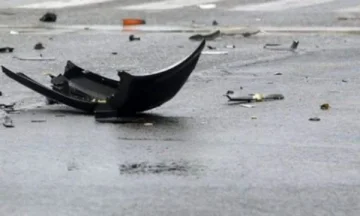
We remember that Kosovo has been facing high levels of pollution coming from both thermal and old cars. Based on earlier research, the average age of vehicles in Kosovo is 18 years.
Unlike last year, Pristina and the district had been the area with the most polluted quality of air, even listed on world lists.