4 minutes ago
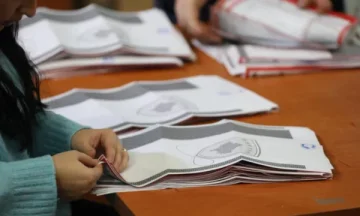
The prosecution warns harsh measures to preserve vote from “returns”

Periskopi(7 years ago)
(7 years ago)Since 2014 until now, about 2 thousand Kosovo people have faced the law for stealing votes and misusings in election processes. Twenty-one of them have been sentenced to prison, 42 received fine sentences, while another 1171 persons have received parole sentences. At the Kosovo Judiciary Council [...]
Since 2014 until now, about 2 thousand Kosovo people have faced the law for stealing votes and misusings in election processes.
Twenty-one of them have been sentenced to prison, 42 received fine sentences, while another 1171 persons have received parole sentences.
At the Kosovo Judiciary Council (KGJK), they say they have no accurate data on the election before 2014, especially on the 2010 elections, where the largest vote thefts occurred since the end of the war.
Through a written response to Radio Free Europe, the KDR has clarified what convictions have been imposed so far for those who have stolen votes.
The smallest sentence is 3 months in prison, while the largest sentence to 6 months in prison. 1800 euros is the highest value paid as fine by convicts, while the smaller fine is 150 euros”, it says in response.
Kosovo's Penal Code envisions criminal acts for any who undermine the voting process, for which the sentence is up to 5 years in prison.
So far in Kosovo no one has been sentenced to so many years in prison for stealing the vote.
Prosecutor Laura Pula, who is also national co-ordinator for elections, told Radio Free Europe, that from the day the president announces the election date, he will be fully committed to preserving the citizens' vote.
“According to the Penal Code, criminal acts are envisioned from the date the campaign starts until the day of the vote's counting and there are some 11 criminal acts involving voting rights. So we will be equally active as in past elections, with the sole aim of defending the free vote of citizen”, Pula said.
Organisations dealing with election monitoring, but even judicial processes, estimate that election processes in Kosovo since after the war have been damaged by political parties and their militants.
Vote of the Dead
Entering Mehmet from the Kosovo Institute for Justice told Radio Free Europe that during monitoring elections over the years, there have been many cases when the dead have voted.
She said prosecutors have failed to bring voter theft organisers to justice.
“Based on IKD monitoring, looked at as a whole, the justice system acted reactive and unactively in tracking cases of election abuses. And the most disturbing thing is that prosecutors have failed to follow leaders, organisers, drivers and voter theft funders, but are constantly enough with the charges filed against political party commissioners”, Mehmeti said.
The judges, on the other hand, have failed to handle such cases at reasonable times.
IKD's <x0th>Monitories still monitor court cases for the 2010 elections, so after 8-9 years some of these cases have begun to be tried”, she said.
The blame for voter theft, according to the Group for Jury and Political Studies Director Arbresa Loja, has political parties themselves.
“We are considering that it is principled to have full agreement among political parties that neither plans nor will allow the election process to be manipulated. Despite the mobilization of Kosovo or international institutions and civil society organisations, it is the parties that can disrupt the” election process, Loxha said.
Loxha told Radio Free Europe that justice institutions should send powerful messages about what awaits those who steal votes.
The “should have police and Prosecution mobilization, in terms that each of these institutions send clear messages to all those who try to manipulate the day of the” process, Loxha said.
When Kosovo is on the verge of organising early elections following the distribution of the Assembly, members of civil society call for democracy not to be harmed.
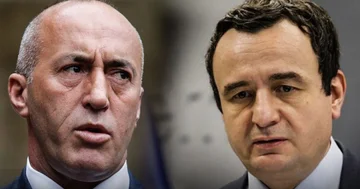
Early elections, expected to be organised in the coming months, have resulted from Ramush Haradinaj's initial resignation from the prime ministerial post and then, the distribution of the Kosovo Assembly, writes Radio Free Europe.