6 minutes ago
New Choices With Old Faces

Periskopi(7 years ago)
(7 years ago)Liridona Salihu has completed studies at the Faculty of Sociology at the University of Pristina and says it aims to be part of political structures. According to her, entering politics is impossible for older generations. “There are some long-ruling parties that have dominated leadership or that have led me [...]
Liridona Salihu has completed studies at the Faculty of Sociology at the University of Pristina and says it aims to be part of political structures.
According to her, entering politics is impossible for older generations.
“There are some parties that have long ruled leadership or have led the state more like the Democratic League of Kosovo and the Democratic Party of Kosovo. Kosovo certainly needs a new spirit and a new leadership generation, and we would certainly have a new generation structure and a new political system”, says Liridona Salihu.
She thinks that change is necessary in Kosovo and that can be done only with new generations.
I would get into politics for the fact that I want a country that has justice and transparency, but given that there are some individuals who have usurped countries somehow and we are denied involvement in politics”, Salihu says.
The involvement of young people in politics, according to a 2016 report by the International Election Systems Foundation (IFES), is low. According to this report, 73 percent of youths surveyed have never been members of the youth structures of any political subject.
Meanwhile, according to the recent population census, out of about 1.8 million Kosovo citizens, young people under the age of 30 make up the majority of the population.
Even political issues analysts do not expect miracles from the new early parliamentary elections in Kosovo, which are expected to be announced following the distribution of the Assembly on August 22nd.
They say political structures in Kosovo are the same since post-war and as such have not shown so far that they can make major changes in the country.
Same parties, same leaders
Political affairs analyst Ramush Tahiri, in a conversation for Radio Free Europe, says Kosovo citizens expect from these elections to have a new political structure, but the likely, as he says, are that Kosovo will continue with the same political guard.
The “expectations are great, but the results will not be what they expect, the sooner we have the full old party garrison, we have the old party system and we have the old goals. All the time being discussed for prime ministerial candidates and political parties' bargains to retain power have always been non-progressional coalition agreements”.
“Citizens want structures, which will not be clients and party interests, but which would target a kind of real democracy, a rule of law and justice, whether or not this will happen depends on a variety of factors, but the likelihood is that Kosovo after these elections will continue with the same race or with the same type of governance”, Tahiri says.
Kosovo, since its declaration of independence in 2008, has not had a stable Government, which has carried out its constitutional mandate for four years.
In addition, Kosovo governments, made up of the party coalition, have entered no-confidence motions and have been forced to resign, introducing Kosovo into early election cycles.
In all these frequent election cycles, we have had almost the same political parties with the same leaders, who are aiming to take power.
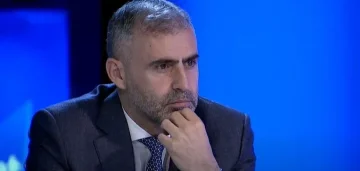
Political affairs analyst Ismail Hasani says that given that no four-year legislative mandate has been completed, no miracle can be expected even now.
The current political structures in Kosovo, Hasani adds, need major changes to advance the country's important processes.
“What I would like to do in Kosovo, not to become false pre-election coalitions and resentments, but political subjects that have so far had considerable numbers in the Kosovo Assembly, which have had the greatest confidence, it is necessary that each of these parties measure the political burden and trust of the citizens”, Hasani estimates.
According to Hasani, if this political structure is unable to bring this election process to the end with honesty and to put resentment aside, then Kosovo, Hasani adds, has no political capacities and is questioned whether this leadership is capable of leading a state.
Continued dialogue between Kosovo and Serbia, the visa liberalisation issue, fighting corruption, rule of law and law, unemployment and poverty are just some of the processes awaiting Government, which will come out after elections that are still expected to be allocated.