4 months ago
Serbia spends millions on lobby in Washington, Albanians should do the same

Periskopi(7 years ago)
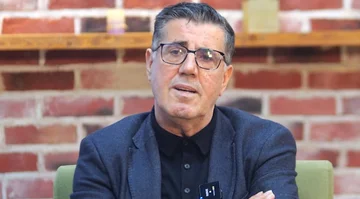
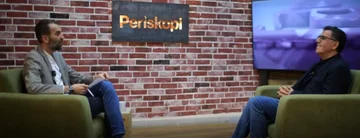
(7 years ago)The leaders of Kosovo and Albania should focus their attention on lobby in Washington, because in recent years Serbia has made major steps in this direction, says Mark Gjonaj, member of the New York Municipal Council. In an interview for Voice of America, he said it is the responsibility of all Albanians to remember [...]
In an interview for Voice of America, he said it is the responsibility of all Albanians to remember the world and their allies for crimes committed by Serbs in Kosovo.
Gjonaj is part of an Albanian-American community group that goes to Kosovo this weekend to honour the contribution of the Euro-Atlantic battalion “to the 1999 war, as well as to raise awareness of the missing and victims of sexual violence.
Voice of America: Mr. Gjonaj, this weekend you go to Kosovo with a group of the Albanian-American community to remember the role of the Euro-Atlantic battalion “that fought in the 1999 war. What message will you send to Kosovo?
Mark Johnaj: First we must remember that twenty years ago, our friend the United States of America and its allies contributed to the end of war crimes in Kosovo, which was a real humanitarian crisis. The message we will send is twofold, the honor of allies who helped our people in our darkest moments and the honor of our Albanian-American community, our Euro-Atlantic battalion “, especially those women and men who made the greatest sacrifice, going to the mother country to fight for freedom and for the people of Kosovo.
Voice of America: Mr. Gjonaj, twenty years after the end of the war in Kosovo, 1696 people still find themselves missing. In your opinion, what should be done differently in your search for them?
Mark Johnaj: First we need to clarify what happened. Kosovo's independence was paid with blood, sweat and tears. About 14 thousand people were killed, 1696 still missing, 20,000 raped women, 800 thousand people left their country, and over 100,000 houses were destroyed. There's nothing new here. Albanians were the object of massacres for many centuries. In the winter of 1878-179, when 35 thousand Albanians were killed, during the Balkan War of 1912-1913, 120 thousand Albanians were killed in the Tivar massacre 5 thousand Albanians were killed, and we had the latest war in Kosovo. Their pain is still feeling today. We have families who have lost loved ones who daily face the loss of members of their families killed by the hands of our enemy, in this case Serbia. We must remind ourselves that no one has responded to war crimes and massacres until today. We have 1696 people still missing. Pressure must be exerted on Serbia on this issue, and we must raise our voices to have responsibility for the crimes and massacres that have been committed in Kosovo. We also need to continue searching for the bodies of our loved ones. This pain is echoing throughout Kosovo and throughout the Albanian community today. We need a renewed focus on real crimes. Today Serbia, the true aggressor, has become a victim and victims have become aggressors. This is pathetic. Our leaders need to focus their attention on lobby in Washington and the international community to remind them of the price paid during this war. Serbia is spending $30m a year on lobism in Washington alone. The time has come for the Albanian-American community to join alongside Kosovo and Albania to focus on real issues. These questions should be answered, and war criminals must be accountable for the crimes they have committed.
Voice of America: Mr. Gjonaj, the Albanian-American community has come up with a project to place many black flags with the red eagle on the highway connecting Albania and Kosovo, to remind the missing and war victims of 1999. How did this idea come up and have great support for it from people in Kosovo?
Mark Johnaj: First I want to thank the Albanian-American community for their generosity to make this project possible. The goal is to have a flag for every victim of war in Kosovo on the highway connecting Tirana and Pristina. Among them will be 1696 black symbols. Black flags with red eagles and the names of missing victims and persons. The inscription “for the victims and the disappearance” in the symbol of these flags is to remind us and these families that have had terrible losses that we have not forgotten this. This is being done to remind the Albanian people of the cost of war and we hope to refocus our attention to priority issues. We should remind the international community that Kosovo has never left the negotiating table, but it is Serbia who has left the negotiations and used a simple fee that has no impact on their economy, while Serbia does not answer questions about where the criminals committed in Kosovo.
Voice of America: The consequences of the 1999 war are still burdening Kosovo's people. Serbian forces, besides rifles and tanks, also used sexual violence as a weapon against the Albanian population. Do you think there has been enough done by the international community and local authorities to deal with this type of crime?
Mark Johnaj: First, the Kosovo government has not done enough to recognise these victims. Twenty thousand women were raped. Most of those who have dared to talk about this crime feel ashamed because of the government and have been silent by our government. These women have not had a conclusion to this serious chapter of their lives - that of bringing these criminals to justice. So we're engaged in an awareness-growing programme, not only to become a voice for these women, but to remind them of all the war crimes that have been committed. We've suggested gathering 20 thousand earrings that would symbolize raped women and be placed in a certain object. We hope that young people will join this initiative to remind the world of the war crimes in Kosovo and the tragedies these women face. Most of these women say that it would be better to be killed than to survive rape, injustice, and shame from their own people.
Voice of America: Mr. Gjonaj, the Albanian-American community has assisted Kosovo in many ways. Are you satisfied with the results of this help?
Mark Johnaj: We have to keep doing more. The Albanian-American community has not forgotten its homeland or its obligation. We know he is often mentioned for the work he has done for Kosovo's independence. Without the help of the Albanian-American community, Kosovo would not be the free state that is today. This, because of the energy and united efforts we have made, not only from this community but also from world leaders. We must continue to focus on the future, but we must also seek accounts from our leaders to make sure that they continue to be focused on the issues ahead. We know that we can achieve wonderful things when working together, when we are united with a message, with a focus. Today we are at this point as a community. We've lost a lot in the last 20 years, we've lost our focus. Many of our allies and friends who still support us must remember us for why they helped us. And this is a responsibility of all Albanians wherever they are, but rather of our two governments and leaders of all fields.
Voice of America: Immediately after the end of the war, Albanians returned to their homes in Kosovo, yet today we are seeing a large number of people leave. In your opinion, what's happening, what's driving people out of the country?
Mark Johnaj: It is difficult, especially for young people, when they do not see a bright future and economic progress. The people of Kosovo are still suffering. They have not been able to build a solid basis for economic growth. The poor economic situation is one of the reasons why people leave. The government has not done enough to stabilise the region. One of the problems we have is the lack of trade balance between Kosovo and Serbia. Kosovo imports much from Serbia, and exports very little. This issue should be addressed and have a balance and reciprocity in Kosovo's trade exchanges with Serbia.
Voice of America: Mr. Gjonaj, Kosovo is still facing a major challenge, fuelled in dialogue with Serbia and response to the 100 per cent firm fee on Serbian goods. Many analysts say setting the fee has negatively affected Kosovo's relations with its Western allies. How do you see this?
Mark Johnaj: We're dealing with Serbia, which is spending tens of millions of dollars on lobism in Washington and is taking big steps in this regard. It is a great injustice to Kosovo for trade. Kosovo products cannot enter Serbia. Our trucks stop at the border and cannot be introduced to Serbia with Kosovo license plates. Injustice is happening to Kosovo Albanians. Kosovo is an independent country and should be allowed to act for its best interests. I call on Kosovo Albanians to boycott all Serbian products until Serbia returns to the negotiating table with the will to prosecute all war criminals.