4 months ago
From Berlin we expect no change in situation with Serbia, new German proposal is being mentioned

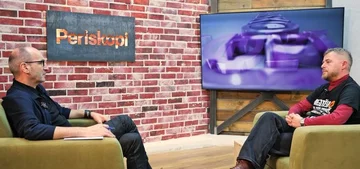
Periskopi(7 years ago)
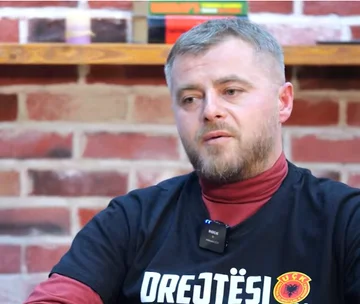
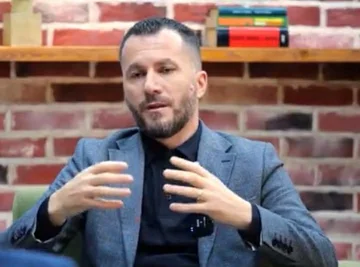
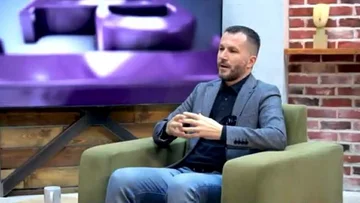
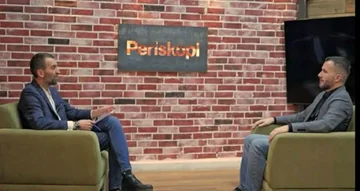
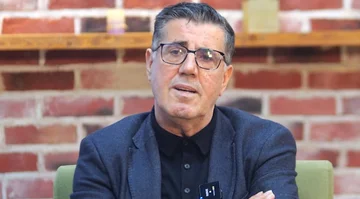
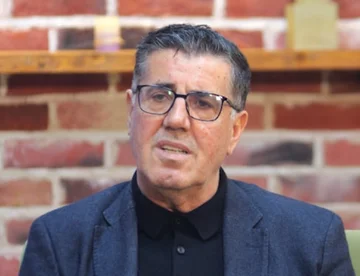
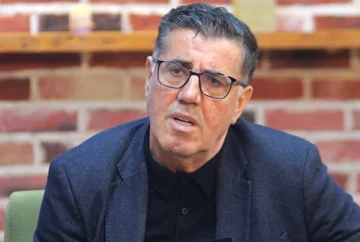
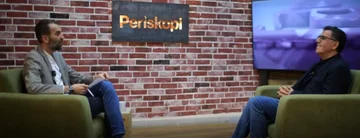
(7 years ago)Pristina chairman and co-chairman of the Kosovo delegation for talks with Serbia, Shpend Ahmeti, who is in Washington invited for a discussion Wednesday that took place at the Republican Institute on Unsolved Balkan Affairs, spoke at the Voice of America studios on Kosovo's current status relations with the States [...]
With you right, we don't expect any major change in the situation. There were warnings that agreement would be made here, there might be things like this, but it's not like that”, Ahmeti said, among other things.
Voice of America: Mr Ahmeti, in Berlin on Monday, the leaders of Kosovo and Serbia will be at the meeting for the Western Balkans organised by German Chancellor Angela Merkel and French President Emmanuel Macron. You will not be there, but this will be the first case the leaders of both countries meet after perhaps more than five months. What do you expect to happen at this meeting?
Shpend Ahmeti: It is a regular meeting under the Berlin process, where leaders of six Western Balkan states are invited to discuss security issues, integration issues and the gamblers of this meeting are discussed as well as a meeting where dialogue will be discussed. With you to the right, we don't expect any major change in the situation. There were warnings that the deal would be made here, there might be things like this, but it's not. More is about definition, or saying so, getting ideas about how the process can go forward. So Germany and France, for the first time in this process of dialogue, at this level, lock and try to assume its role as the European Union, to influence the process.
Voice of America: Even more specifically, the speculation that has been discussed is that a special status for Kosovo's north can be discussed there, even the possibility of a double sovereignty over the north. You say there's nothing real?
Shpend Ahmeti: I don't think so. No. These are speculations. What's the truth I said yesterday at the conference we had. The idea is that so far more has been discussed, these too have been speculation, about changing borders; while now it is said Germany comes with a new proposal. True, there are discussions that are taking place on the international plain, between the United States and European partners. But there is not to say that there will be a proposal to be accepted or rejected. We are still in the phase of starting political dialogue to make an agreement. But the truth is that all these states agree that it is likely and that this year a deal will be reached. But, since you already know for a few months the process is blocked.
Voice of America: Kosovo talks -- Serbia has remained blocked due to Kosovo government tariffs on Serbian goods. Can the Berlin meeting at least unlock this situation? Toll case?
Shpend Ahmeti: I don't expect that either. It's because of the conversations I've had with the Prime Minister about tariffs. There was even greater American pressure due to tariffs, but the government did not change its mind. So I don't think he'll change his mind there. Pos, if there is any agreement to continue the process of dialogue without lifting tariffs, provided the tariffs are discussed in that process of dialogue. But, both Pristina and Belgrade have declared many things that have sworn the position. Vucinq also claims that unless the tariffs are removed we are unlikely to sit at the table. On the other hand, the Kosovo government has also made clear through Prime Minister Haradinaj that it will not move tariffs and that tariffs are moved only when recognition comes. How different will their positions be? It remains to be seen, but I say, more there is one, an enthusiasm increased that supposedly something big could happen at the Berlin meeting. I don't expect that to happen.
Voice of America: Yet you discuss it, have you discussed any creative ideas about it? When do you expect the tariffs to be removed, after all?
Shpend Ahmeti: I don't think, I'm saying again, considering that a large part of Kosovo society believes these fees are fair. So, after much of Serbia's actions, an aggressive foreign policy that has resulted in some recognition withdrawals, even though small islands and states. And to what they did to our Interpol application. This response came for tariffs, and then I'm saying the pressure came, because it became a huge propaganda from the Republic of Serbia that Kosovo is supposedly blocking the dialogue process. We're trying to explain it everywhere, but I'm saying, maybe obedience was created, especially on the international level, that Kosovo is blocking through the fee. I think we should all be engaged here to make a difference.
Voice of America: However, Mr Ahmeti, Washington has maintained a constant pressure to suspend tariffs, and (from you) there has been a refusal to listen to Washington's advice. Maybe this has damaged his relationship with the United States. What do you think?
Shpend Ahmeti: It can hardly be damaged that our relations do not depend on just one policy, yet even on the visit I was now, because I'm saying once again that we have today and we have meetings with the State Department as well as with the National Security Council, and it's clear that they continue with the same position; the United States government says the tariffs should be removed. That's what we've been told at meetings; they said it again yesterday, as well as many other countries, because they think there can really be a deal, so (they think) we should remove these obstacles that lead to that agreement.
Voice of America: My question was about the damage relations could have been caused.
Shpend Ahmeti: Some things have happened. The United States government has refused visas for officials; but it has not given him the refusal, but has kept them in administrative process, delaying them, even though government representatives have happened in recent weeks. It has also interrupted Kosovo's participation in multilateral meetings involving security, which are organised by the United States. But there was no further passage, but also the conversations that have been that will be withdrawn with the army...
Voice of America: Mr Ahmeti, ideas were dropped last summer to discuss the borders in Kosovo talks, Serbia and this possibility was even supported by the American administration if this would be done with the reconciliation of the parties. Recently, however, disputes over the matter have almost ceased. What has changed? Has any tactics changed in the matter of discussion?
Shpend Ahmeti: First, she was never officially told by anyone, so at any meeting. They were always behind the scenes, and there were always certain speculations that were thought to support the United States. I think they faced a great, both local and local resistance in both Kosovo and Serbia, but an international discussion is taking place. I also said at the conference yesterday that is the first time in the last 20 years that Kosovo has heard two different things, or two different councils from the biggest partners it has internationally. Of course, the United States for us is our biggest partner, but on the other hand, we have Germany, I am specifically saying it, and maybe the United Kingdom, which has expressed scepticism on any agreement that is being discussed. America has the attitude: if both sides agree, it will be acceptable to us, of course if it is in accordance with American interests. While Germany and England have said that we are not for any agreement, we should be careful of agreements that could have consequences for other countries in the Balkans and beyond.
Voice of America: You seek recognition from Serbia and international support for such an attitude. But how do you think you can get support when you cannot provide an internal consensus for the process?
Shpend Ahmeti: However, I think we have crossed the platform in the Republic of Kosovo's Parliament. No sign of the platform. It says that our borders are immune and cannot have the third level of governance in Kosovo. While we can discuss open issues such as minority rights, we can talk about the Serbian Orthodox Church, but then we have to talk about the missing, the reparations of war, the damage that Serbia has done to us, down to the damage and recognition of the facts of the victims of sexual violence, which a full hearing will be held next week at the American Congress.