4 months ago
Unable to change territorial status EU

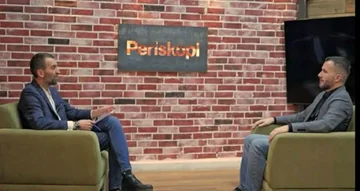
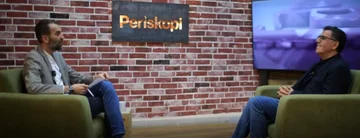
Periskopi(8 years ago)
(8 years ago)The EU has not changed policies supporting Kosovo's territorial integrity, says Michael Leigh, expert on European policies. It is impossible for the EU to be provising changes to territorial status quo. Deutsche Welle: Has Brussels and Washington left earlier policies supporting Kosovo's sovereignty and territorial integrity? Michael Leigh: Will [...]
The EU has not changed policies supporting Kosovo's territorial integrity, says Michael Leigh, expert on European policies. It is impossible for the EU to be provising changes to territorial status quo.
Deutsche Welle: Has Brussels and Washington left earlier policies supporting Kosovo's sovereignty and territorial integrity?
Michael Leigh: It would be almost impossible in the European Union to find a consensus in favour of changing the territorial status quo between Serbia and Kosovo. The idea of recognising Kosovo in exchange for territorial affiliation is unlikely to be backed by Serbs and Kosovars or supported by the five EU member states, which have refused to recognise Kosovo's independence. The division is based on the search for ethnic purity and not the need to live together in a multiethnic society. This way of achieving things has had a tragic history in the Balkans and does not match EU principles. Member states will be very vigilant on rising pressures from abroad, given the growing role of Russia and China in the Balkans.
Deutsche Welle: Civil society organisations from Serbia and Kosovo are urging the EU to make a clear statement against partitioning Kosovo or exchanging territories. What does the European Union intend to do?
Michael Leigh: It remains to be seen whether member states traditionally in Serbia's favour would be willing to approve such a declaration.
Deutsche Welle: What is envisioned by EU member states that have not recognised Kosovo, Spain Greece, Cyprus, Romania and Slovakia? Would it lead a partition agreement automatically to Kosovo's recognition?
Michael Leigh: The objections of five EU nations, which do not recognise Kosovo's secession, are linked to the political dilemmas they have in their countries and do not necessarily aim at as Serbia's support. These objections will continue to exist for a considerable period even if any agreement between Serbia and Kosovo is reached.
Deutsche Welle: Who can guarantee that Kosovo will take a seat in the United Nations if any agreements are reached?
Michael Leigh: This goal is likely to remain an unfulfilled prospect in the near future, although various forms of cooperation can be created.
Michael Leigh is an expert on European politics at the German Marshall Fund. The German Marshall Fund of the United States (GMF) is a non-governmental organisation established by Germany to remember the Marshall Plan. The organisation is aimed at strengthening interAtlantic co-operation.