18 minutes ago
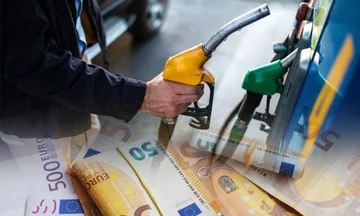
“in Turkey, the price of beer can be increased while drinking”

Periskopi(8 years ago)
(8 years ago)About 70,000 British vacationers are now in Turkey, with hundreds of thousands more booked their trips there during the rest of the summer season. But what does the local currency crisis mean for them? And if you plan to go to Turkey, how should you organize your finances? What is the situation for [...]
But what does the local currency crisis mean for them?
And if you plan to go to Turkey, how should you organize your finances?
What is the situation for holiday people in Turkey now?
They hope to enjoy the sun, the sea, and the culture of a beautiful and hospitable land. And if they're going to have to trade their pounds in local currency, now they're going to get a lot more Turkish coins, as Lyra goes down by day.
In recent years, 1 Padund has bought about 4 or 5 lira Turkish, this week the rate has gone 9 Turkish lira per pound.
While Turkish lira is on the decline, its other side is frequent price hikes.
The notion that the cost of a beer can increase until you drink is somewhat strained. But as in any country with high inflation, the price of anything from a cup of coffee to a rented car may be higher today than yesterday.
Does this mean that it is more expensive for tourists?
Compared to last summer, local prices are higher in local terms.
But because Lera is one of the few coins the pound is winning, the pounds are currently lower.
How should visitors organise their finances for a trip to Turkey?
Don't change your money for the Turkish lira to the United Kingdom. Instead, trade them to the store where you buy there in Turkey.
Change slightly and often: partly because the rate can be improved and in part because by the end of the trip you can be “backed” with the Turkish lira.
You'll probably get the worst exchange class for trading your money at the airport.
The currency crisis signals a risk of wider unrest?
The currency crisis is nothing new in Turkey; in 2005, Turkey's old lira was so weak that you could become a millionaire by changing 40 pounds, until six zeros were knocked down by the lira and launched a new <x0-2>”.
Recep Tayyip Erdogan's rule -- first as prime minister -- has so far been characterised by a strong increase. However, its economic management is under consideration. Many Turkish people feel tribulation and are not satisfied with the leadership of the nation.
Protests in the largest city, Istanbul and the capital, Ankara, can intensify. And, as the Foreign Office warns, threats remain by a wide group of terrorist groups. /Independent/