7 minutes ago
Kosovo citizens lose confidence in governing institutions

Periskopi(8 years ago)
(8 years ago)Recent public pulse investigations testify that Kosovo citizens are constantly losing confidence in government institutions. In a report published by the United Nations Development Programme- The UNDP reportedly has fallen as the willingness to protest for political reasons has increased. [...]
Recent public pulse investigations testify that Kosovo citizens are constantly losing confidence in government institutions.
In a report published by the United Nations Development Programme- The UNDP reportedly has fallen as the willingness to protest for political reasons has increased.
Civil society representatives estimate that particularly unemployment and lack of visa liberalisation are key threats of citizens who have raised discontent with governance in the country.
Otherwise, the UNDP report says unemployment leads by 29 percent, followed by corruption by 14 percent and poverty by 8 percent, as three fundamental issues affecting their social welfare.
The director of the organisation “Arise”, Arton Demhasaj, told Radio Free Europe that unless it begins with improved citizens' lives, the willingness of citizens will increase as well as protests, as they, according to him, have accumulated with years of discontent precisely due to lack of progress and improvements in their daily life.
I think that since the year we have had a decline in citizens' trust in government, and this is related to the lack of free jobs for citizens, as well as a high degree of corruption. So this affects the discontent of citizens in government, Demhaja said.
“also, a major role in this discontent, is increasing readiness to protest. Visa liberalisation will also impact, as many dates have been given for liberalisation, and it has not yet occurred”, Demhasaj added.
On the other hand, Diana Metushi-Krasniqi of the Kosovo Democratic Institute said that particularly developments in recent months have caused Kosovo citizens to be disappointed in the country's leadership, citing some of the actions that have been taken by them.
The frustration of citizens is seen at many points, and it is very normal when we analyze the sequence of actions that have occurred over the past few months. Prime Minister's actions (Ramush Haradinaj) as salary hikes, increasing the number of government cabinet, and spending the budget can be calculated as key factors in losing confidence in Prime Minister”.
The government's <x0... Government work, with different relatives, as a contract with Becket-Enka, the one with the aid of drugs etc, has to do with the loss of trust in citizens, Metushi-Krasniqi said.
However, according to UNDP findings, only 33 per cent of citizens have said they are satisfied with the prime minister's work, while something better is the percentage of satisfaction towards the president's work, 39 per cent of respondents have claimed they are satisfied with the work of the head of state, respectively.
About 30 per cent of Kosovars have expressed satisfaction with the work of the country's central institutions.
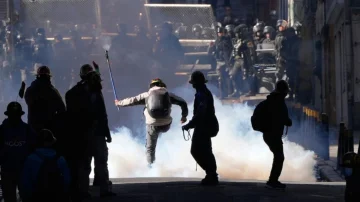
Research also states that 38 percent of the residents have expressed willingness to protest for political reasons.