14 minutes ago
Visa liberalisation for Kosovo may not be discussed until 2019

Periskopi(8 years ago)
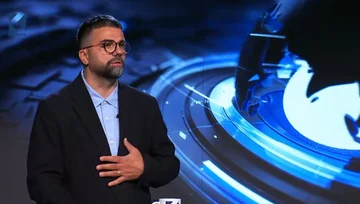
(8 years ago)Analyst Artan Murati has said today that in the next two days, much will be decided on the fate of the Balkan states and their integration into the European Union, including the visa liberalisation process for Kosovo. Murati stresses that as far as Kosovo is concerned, the visa issue is probably not discussed [...]
Analyst Artan Murati has said today that in the next two days, much will be decided on the fate of the Balkan states and their integration into the European Union, including the visa liberalisation process for Kosovo.
Murati emphasises that as far as Kosovo is concerned, the visa issue will most likely not be discussed until after new elections for the European Parliament, held in May 2019, and this is due for political reasons.
Read the full post of Murat on Facebook:
“Tomorrow and the day after will be much decided on the fate of Balkan states and their EU integration, including the visa liberalisation process for Kosovo.
The next EU summit, attended by leaders of member states, will be held on June 28th and 29th. Similarly, General Affairs Council, who co-ordinates the work of the European Council, has held a meeting in Luxembourg yesterday, where he discussed some of the key issues regarding the Western Balkans.
As far as Kosovo is concerned, on the basis of yesterday's meeting, it is very likely that the visa issue will not be discussed until after the new elections for the European Parliament, held in May 2019, and this is strictly for political reasons. Some states are fearing that with visa liberalisation for other states in this period, it could be influenced by the rise of far-right political subjects with anti-migration policies.
Once again it was proven that non-recognising states in the EU are not our main problem. In fact, it is the friendly states of Kosovo, such as France and Germany and the Netherlands, which have the biggest questions in the process. That's weird.
When we are in Kosovo, GAC has welcomed ratification of the agreement for demarcation with Montenegro, and has cited a series of frustrations, such as the slow implementation of the Agency for European Reform (ERA), the attempt to abolish the Special Court Law, the deportation of 6 Turkish citizens, and the independence of the judiciary.
In February, the year 2018 does not have to be the year of visa liberalisation, even though there are theoretical and real chances for one. Will that happen, it now depends directly on Kosovo's lobby and whether it can convince Europeans that the 1.7 million inhabitants of Kosovo will not destabilise the EU nor influence the outcome of the European Parliament elections. Normally, this can happen when we receive a positive assessment that we have fought corruption in the right way!”. /Telegraphy/